Elvis Presley
CD and Vinyl

| Other Interesting Label Information | ||||
 |
|
|||
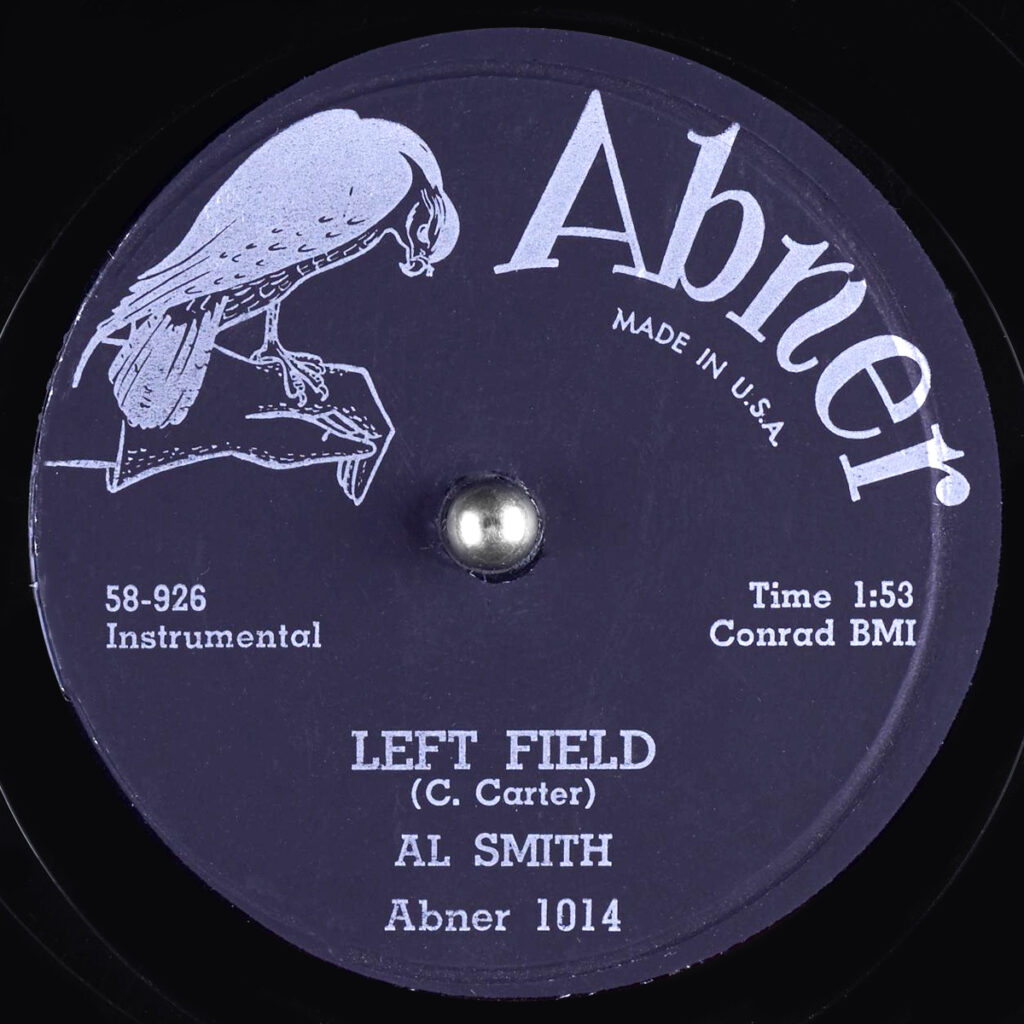 |
1958 - 1959 Abner Records was a subsidiary of Vee-Jay Records.It was originally named Falcon Records, but the name was changed in 1958 since there already existed a Falcon Records The label was named after Ewart Abner who was general manager at Vee-Jay, 1955-1961 |
|||
|
||||
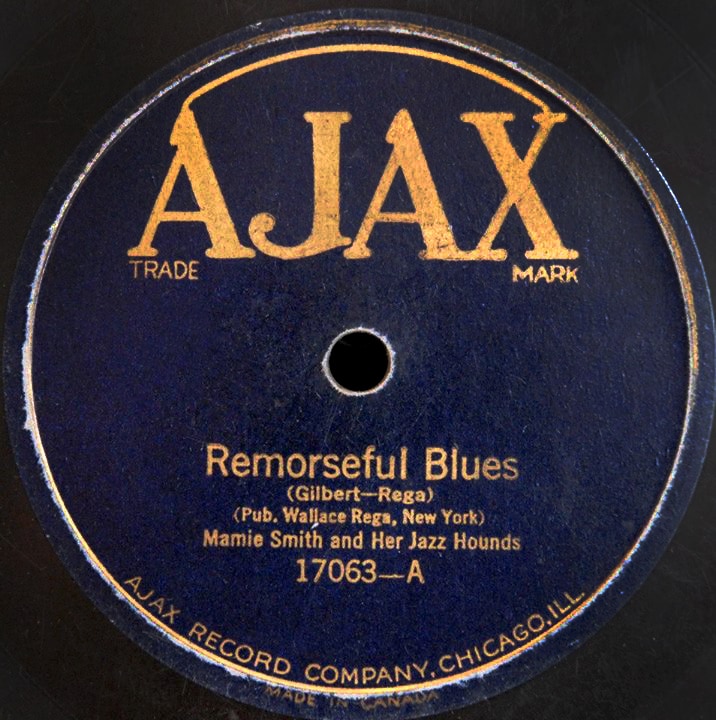 |
1923 - 1925 Ajax Records was a North American record company, pressed in Canada and sold in the United States from 1923 through 1925. The company produced several important jazz and blues recordings during a pivotal time period for African-American music. The label served as a subsidiary of the Compo Company of Lachine, Quebec. Although a U.S. tradmark on the name "Ajax" was filed in 1921, Ajax did not issue its first record until October 1923. The head of Ajax Records was H. S. Berliner, son of disc record pioneer Emile Berliner. Berliner's corporate headquarters were in Quebec City, Quebec, although US issues listed the company as being based in Chicago, Illinois, where its US office was located, but apparently no recording studio. Ajax is known to have used Compo's recording studios in Montreal and New York City. In addition to the sides which Ajax recorded themselves, the label also issued discs pressed from masters leased from New York Recording Laboratories and the Regal Record Company. The last Ajax released was in August of 1925. |
|||
|
||||
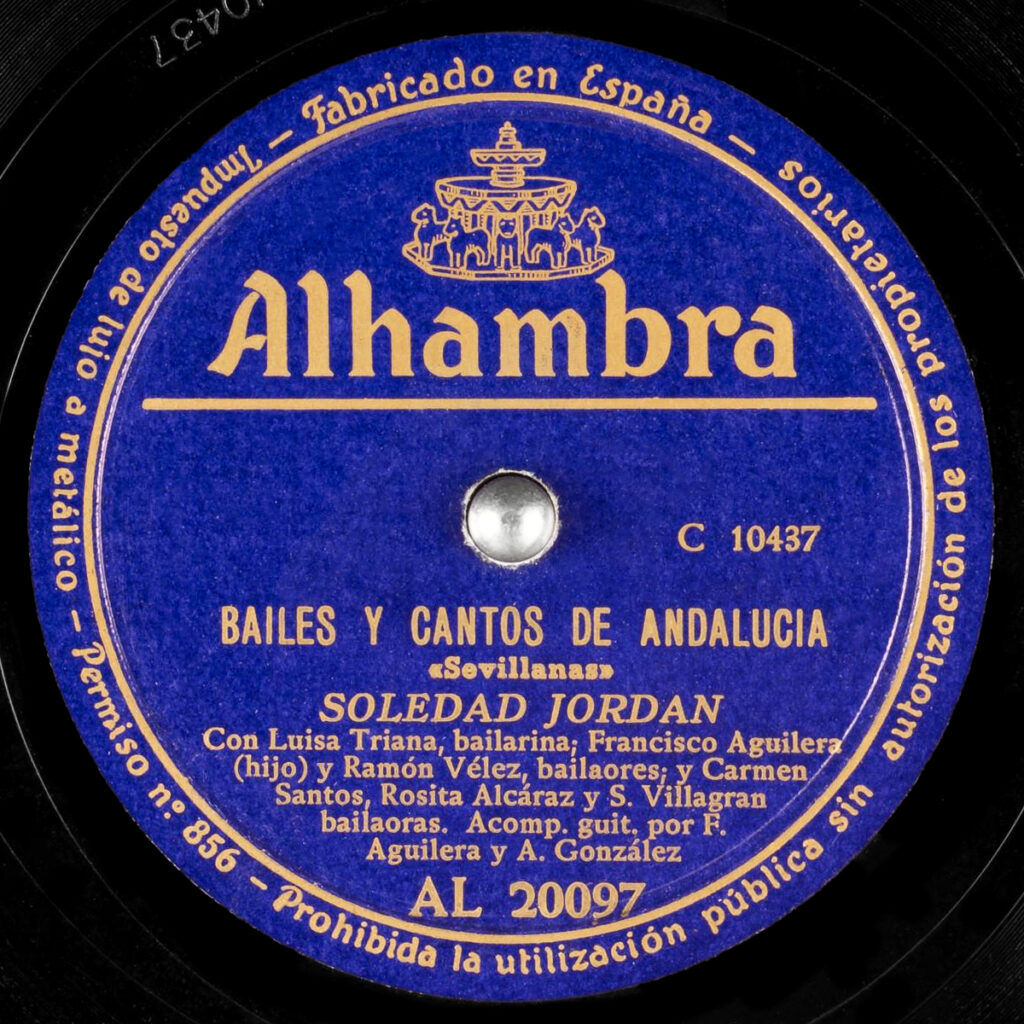 |
1949 - 1970s
The Alhambra record label was a prominent Spanish company founded in 1949 by Antonio Ibanez Garcia. It specialized in the production and distribution of Spanish music, including genres such as flamenco, zarzuela, and classical music. Alhambra played a crucial role in promoting national artists and spreading Spanish musical culture throughout the 1950s and 1960s.However, in the 1970s, the company ceased operations and no longer existed as an independent entity. |
|||
|
||||
 |
1950s Herschel Laib Hohenstein, later known as Hal Lewis, transitioned from being an unemployed violinist in San Francisco to a radio personality in Hawaii in 1946. Despite facing initial challenges, including sleeping on Waikiki Beach, Lewis found success as a staff announcer at KGMB and later at KPOA. At KPOA, he developed a unique presentation style, earning him the nickname "aku-head" after a humorous incident involving incorrect time checks on the radio.Lewis embraced the moniker J. Akuhead Pupule, dropping his original name. He established the short-lived recording label, Aku Records, known for its distinctive green label featuring a cartoon of Lewis with an exaggerated nose. Aku Records included recordings by Alfred Apaka, with Lewis himself backing Apaka on violin.Aku died in 1983, but managed to get the last laugh on the airwaves when he unleashed his own recorded announcements to stimulate a public mourning for his passing. |
|||
|
||||
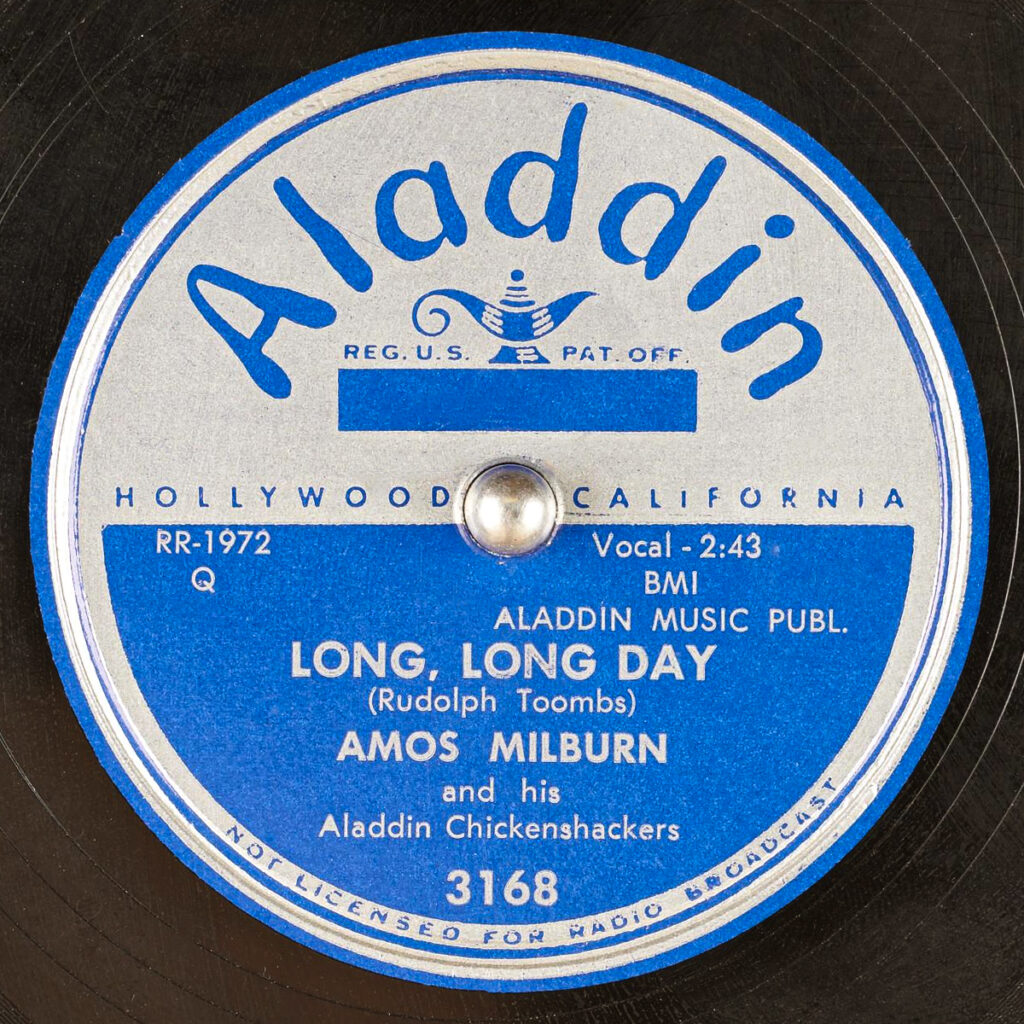 |
1946 - 1961 Aladdin Records was a post-World War II United States record label, with headquarters in Hollywood, California. The label was founded in 1945 by brothers Eddie, Leo, and Ira Mesner and was originally called Philo Records, before changing to its better-known name in April 1946. Aladdin was known for its wealth of recordings of rhythm & blues and early rock & roll music; it also recorded some jazz sessions. Some of these were issued on the company's short-lived Jazz West imprint.In addition to Los Angeles, many Aladdin recordings were done in New Orleans, Louisiana, by Cosimo Matassa.The label was sold to Lew Chudd's Imperial Records in 1961 and is today owned by Capitol Records. |
|||
|
||||
 |
1950s
Alamar was founded by Alfred "Al" Brundage (b. March 8, 1922, Hartford, CT) in the mid 1950s. Brundage was involved in creating square dance music from the age of fifteen, playing trumpet and eventually performing calls for his band, The King Street Pioneers. In addition to his recordings under his label and others, Brundage was instrumental in introducing a new "Western style" choreography to square and round dances. |
|||
| |
||||
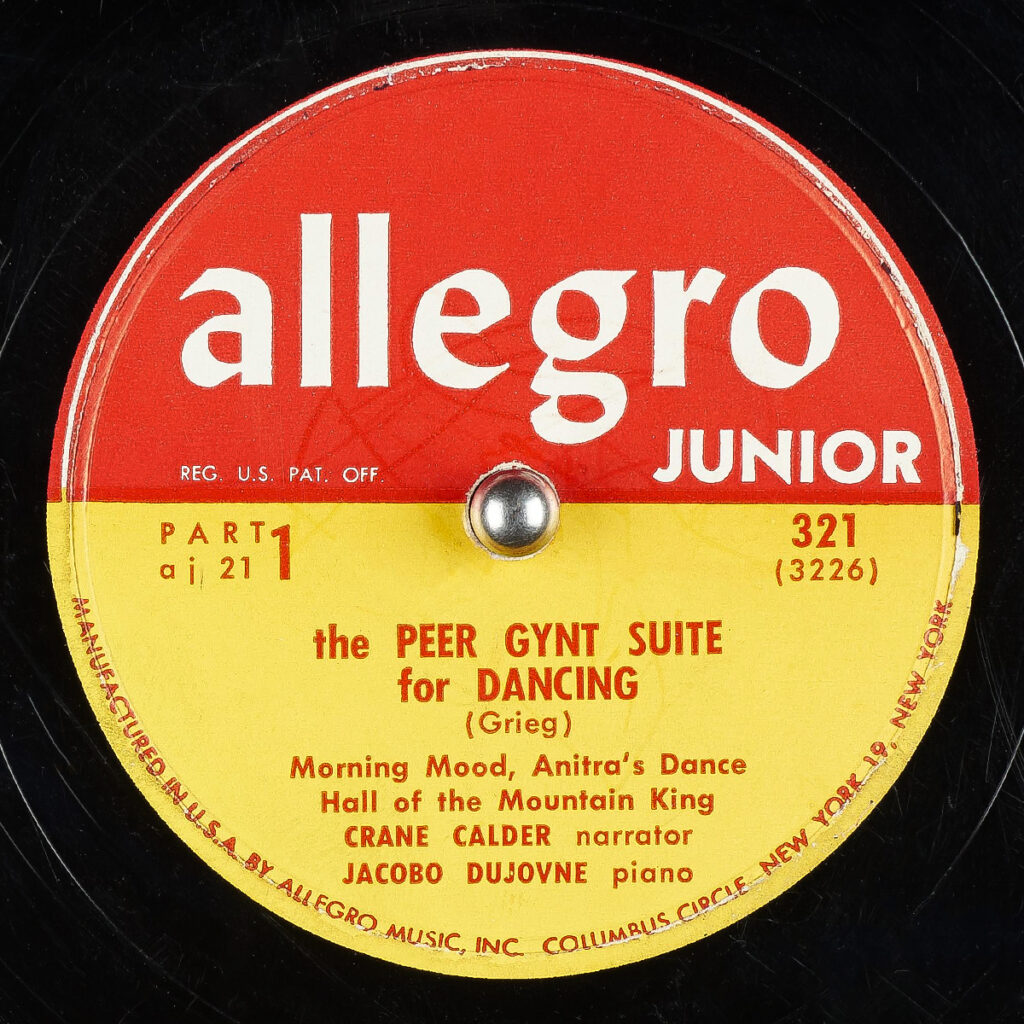 |
1947 - 1952
US record company (1947-1952). Founded in late 1947 by Paul Puner, Allegro's initial focus was on children's records. This product, Allegro Junior, was produced under the guidance of Puner's wife Helen, a journalist who specialized in child psychology. In fall 1948 the company introduced microgroove LP children's records. The following year they set up a subsidiary company, Discos Allegro, Inc., under the direction of Buenos Aires radio producer Jacobo Muchnik, to produce children's records for the Latino market. By April 1952, Allegro owed $50,000 in back taxes and on October 28 of that year the company was declared bankrupt. Eli Oberstein purchased the company's assets for $75,000 at a trustees' auction. Oberstein continued to produce the Allegro label as a mid-level brand in his Record Corporation Of America lineup. |
|||
|
||||
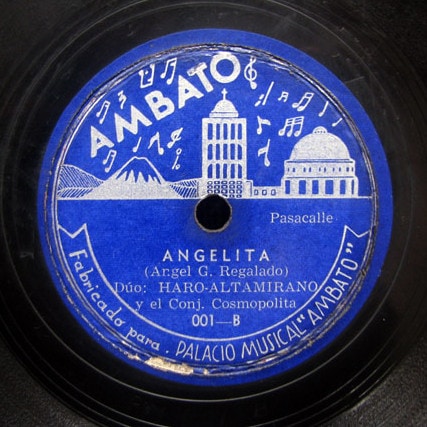 |
1950s - ? AMBATO-001-BRecorded for the dance hall called AMBATO from Ecuador. Maybe the record company was Pasacalle. |
|||
|
||||
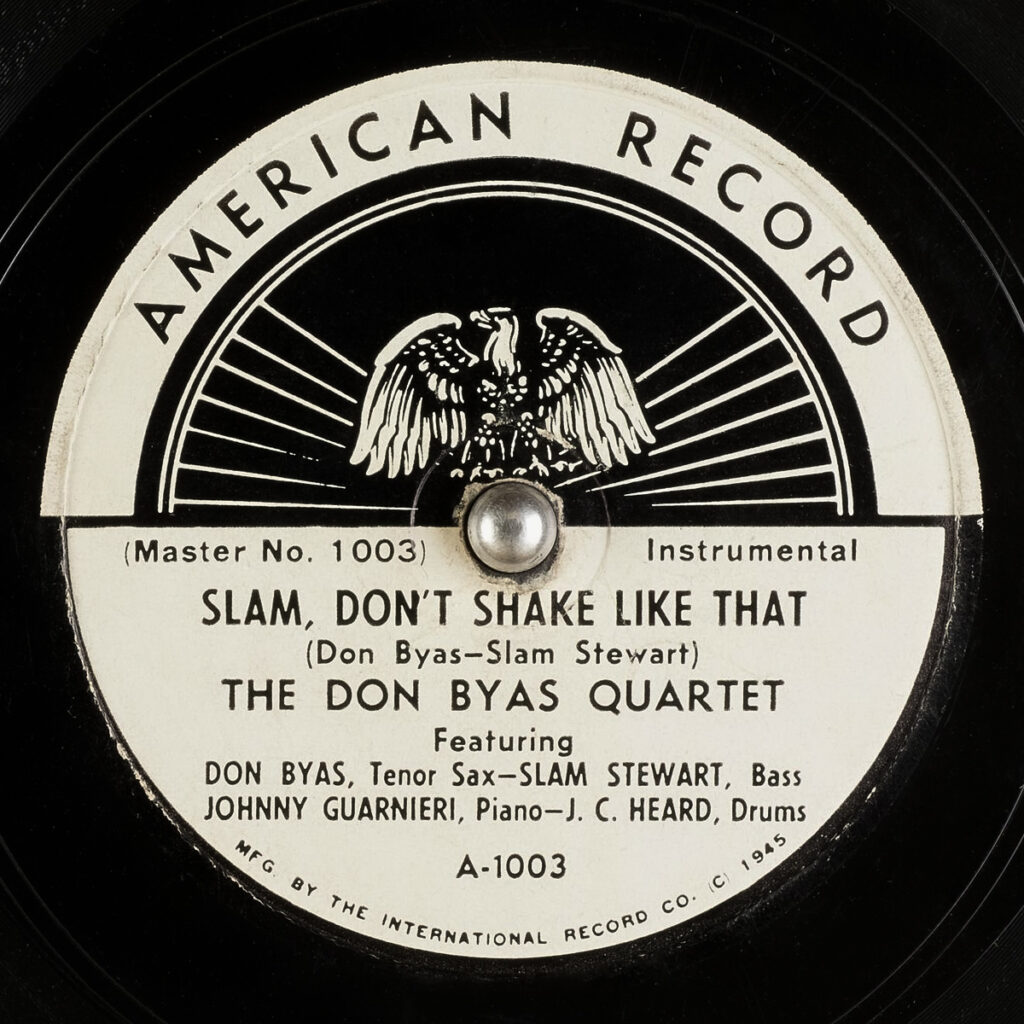 |
1940s AMERICAN RECORD was a label active in the 1940s. It was distributed by the International Record Co. |
|||
|
||||
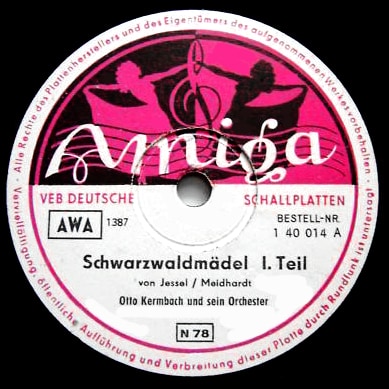 |
1947 - 1997 AMIGA, the former pop sub-label of Deutsche Schallplatten Berlin, from 1955 on VEB Deutsche Schallplatten Berlin, was sold to BMG National Berlin in 1994. It was founded on February 3rd 1947, initially as folder for light entertainment on Lied Der Zeit GmbH, which is the predecessor of Deutsche Schallplatten Berlin. |
|||
|
||||
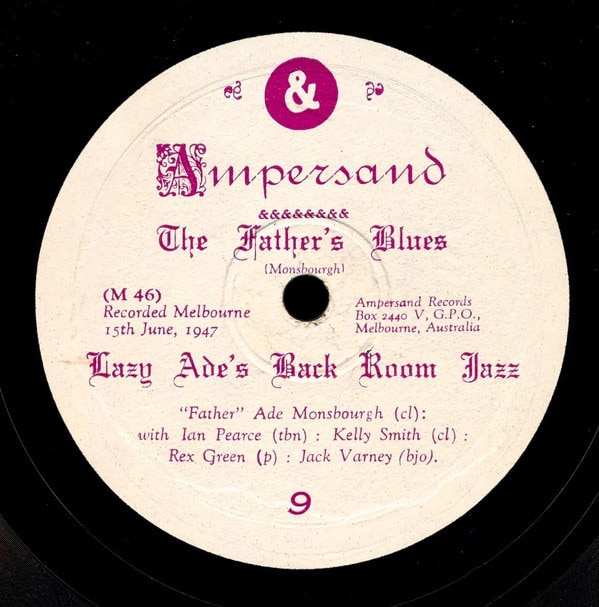 |
1943 - 1955 Jazz label from William Miller (Melbourne) started in September 1943. The 10" series ran to 36, there was a 12" from 1201-1206 and some 10" re-issues from US sources R101 to R105. All but 26/27 issued on vinyl rather than shellac.Production of 78s ended in 1955. |
|||
|
||||
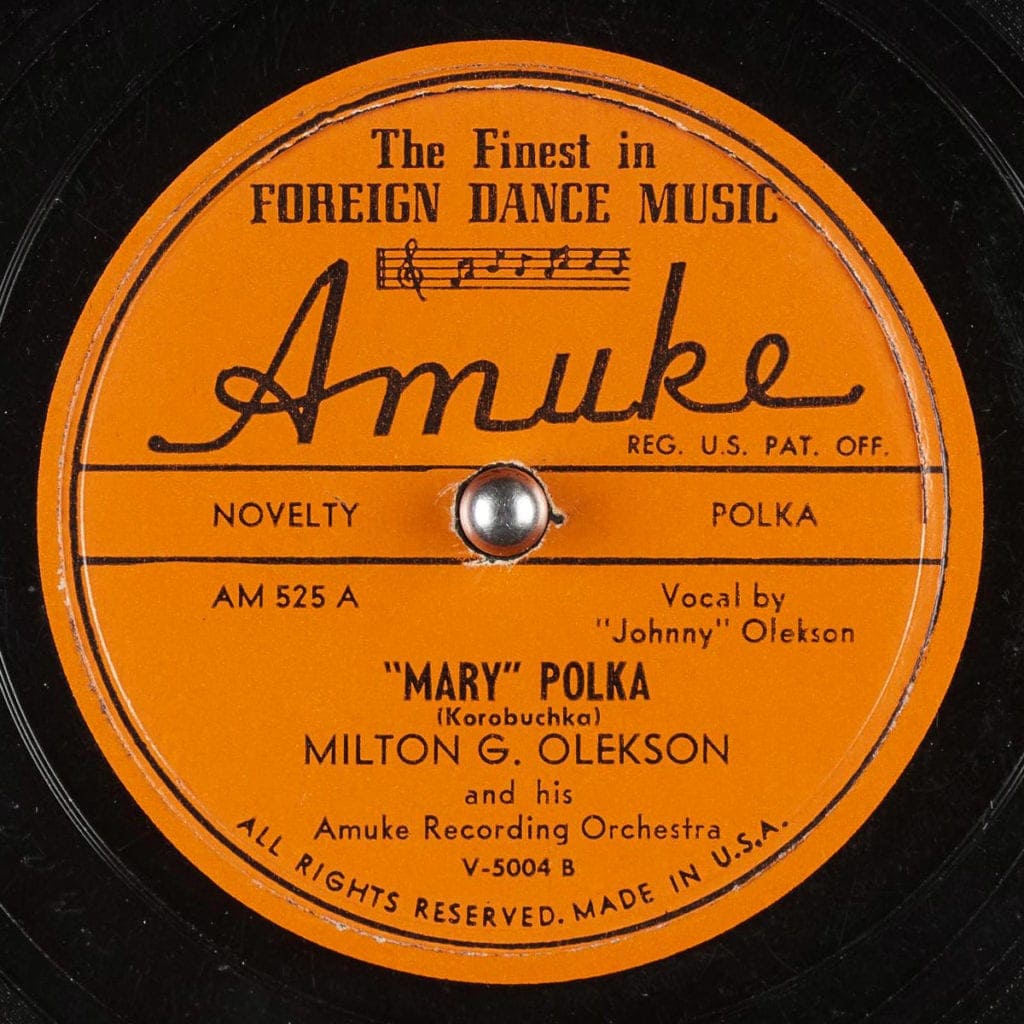 |
1947 - 1952 Founded in 1947 by the Olekson Brothers, Amuke specialized in polka and "foreign dance music". Many releases on this label were performed by Milton or Johnny Olekson or other members or friends of the Olekson family. Harmonia Records Corp. acquired the Amuke catalog in June, 1948 and agreed to pay the Oleksons royalties on future sales. Amuke was still listed as an active company as late as 1952. |
|||
|
||||
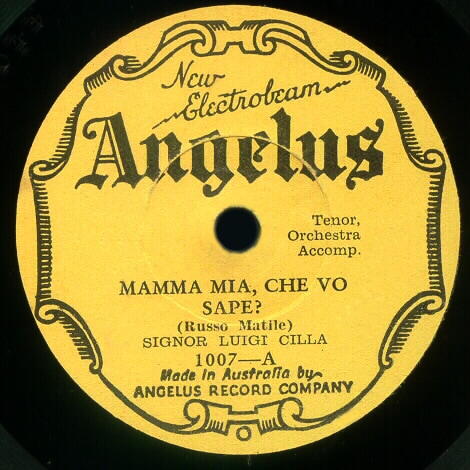 |
1928 - 1931 Angelus was produced by Clifford Industries in Sydney, Australia between 1928 and 1931. It drew on the US Cameo, Gennett, Crown, Paramount and Grey Gull catalogues. At first gold on black, it then appeared in gold on purple. A special late series appearing in black on yellow drew from the UK Imperial catalogue. There was also a label called Angelus Records from the U.S. which pressed 45s with christian content. |
|||
|
||||
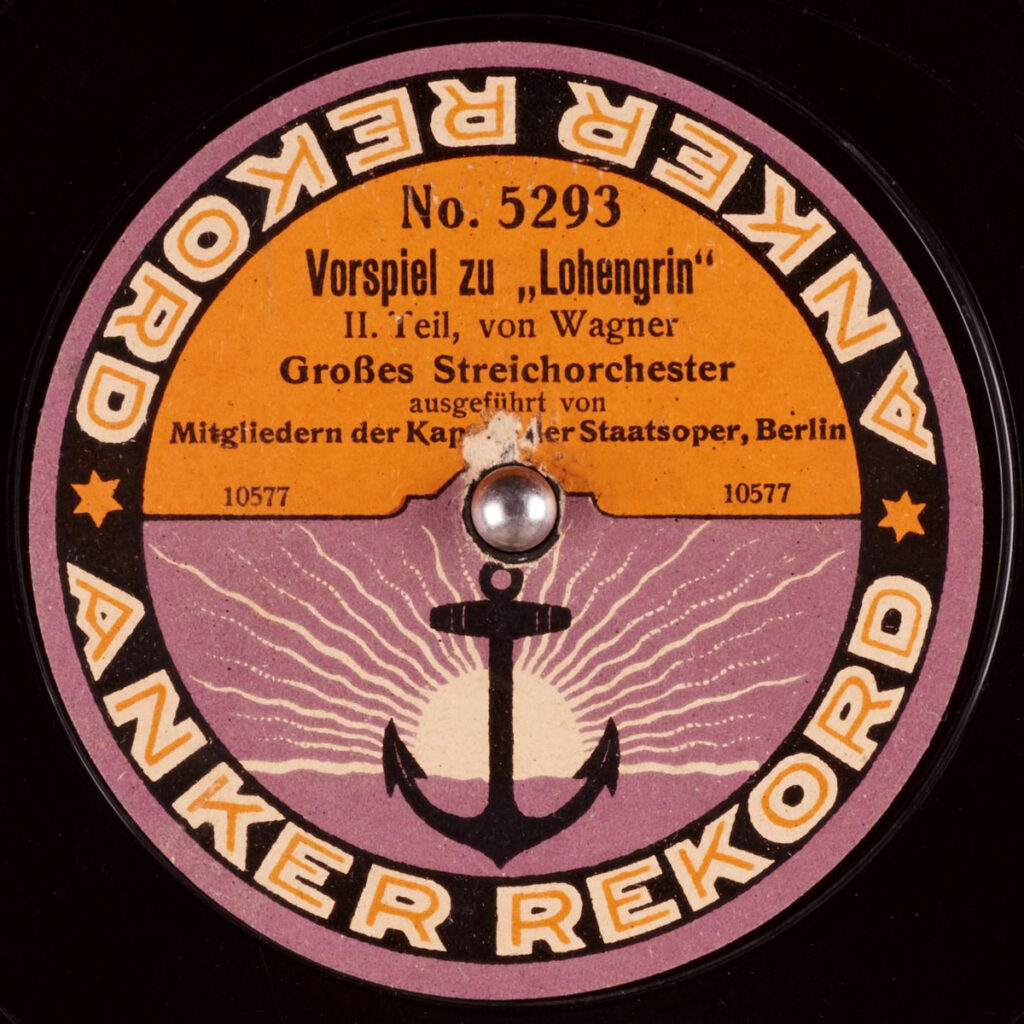 |
The name "Anker" is derived from
the world-famous Anker building blocks. The inventors of these bricks,
the Lilienthal brothers, sold their idea around 1875 to a certain Friedrich
Adolf Richter (1846-1910) from Nuremberg, who registered his own patent. In July 1876, Richter was entered in the commercial register of Rudolstadt in Thuringia. The anchor factory was opened in Rudolstadt in 1878. It mainly produced pharmaceutical preparations. In addition to puzzles, chocolates, soaps and cosmetics, Richter also produced gramophones and Imperator music machines and, from 1905 at the latest, Anker-Record records. After Richter's death in 1910, his four sons and his brother Friedrich Wilhelm Richter took over the company. Due to inheritance disputes, the company was divided into the limited companies "F.Ad. Richter & Cie. Chemische Werke" (including Anker Schallplatten GmbH & Phonogramm GmbH) and "F.Ad. Richter Cie AG Baukastenfabrik". Following the takeover of Anker Schallplatten GmbH and Anker Phonogramm GmbH by Kalliope in 1914 and the outbreak of the First World War, the Anker factory in Rudolstadt was used to manufacture grenades for the front line. |
|||
|
||||
 |
1949 - 1951 The Artransa Company was formed in 1949 initially to manufacture transcription discs for radio. Defunct in 1951. Pressed in both Australia and New Zealand. |
|||
|
||||
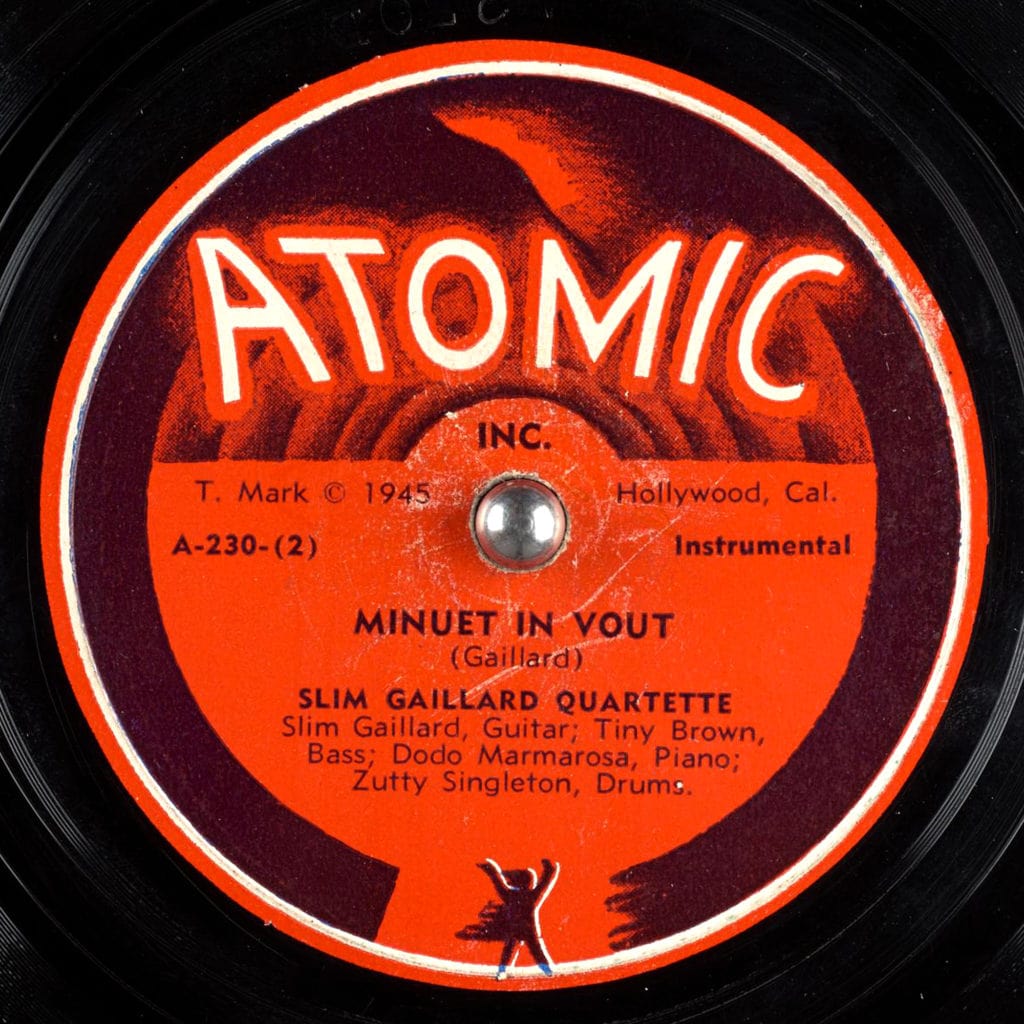 |
1945 - 1955 Atomic Records was an independent record label based in Hollywood, California, which was founded in 1945 by trombonist Lyle Griffin. Among the notable recording artists on Atomic were Slim Gaillard, Barney Kessel and Griffin himself.In 1947, Griffin sold Atomic to A. W. Lungren, who became the new head and Griffin left the label. The label lasted until 1955. |
|||
|
||||
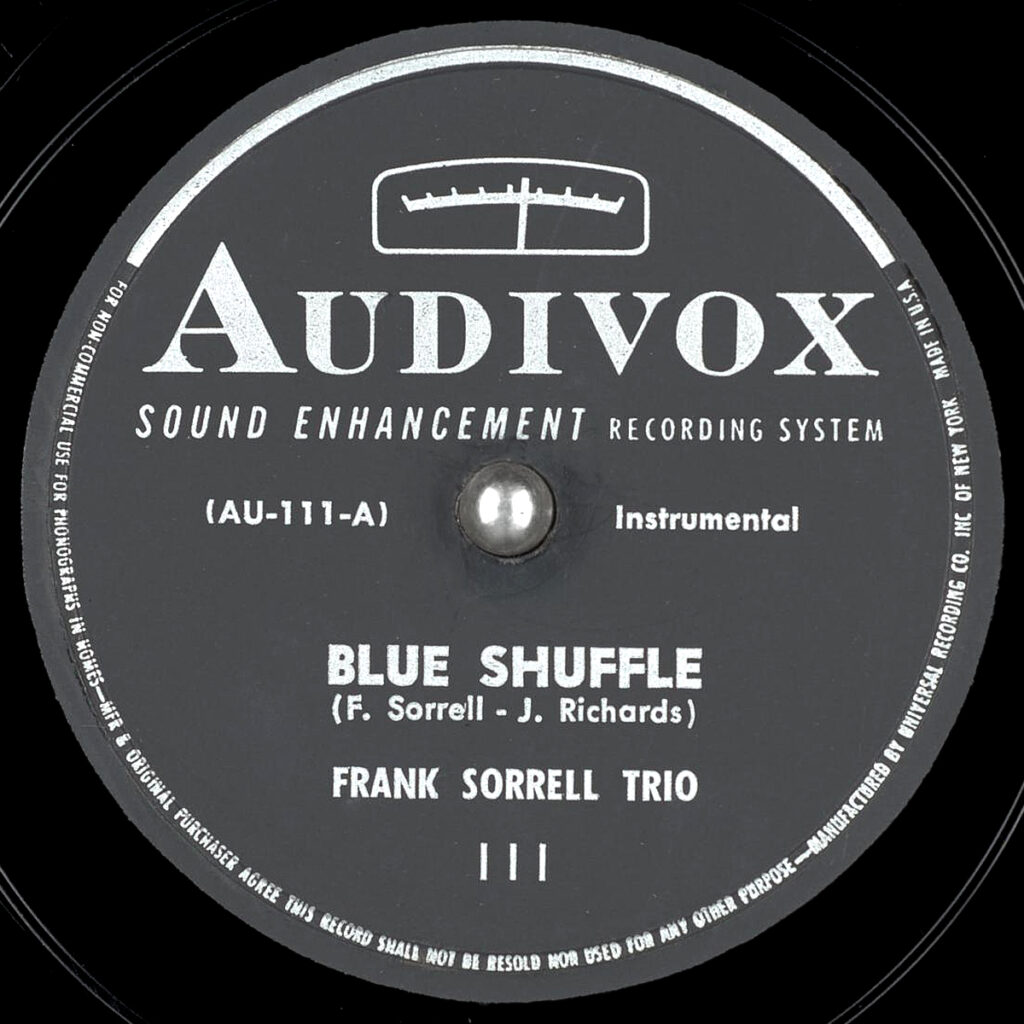 |
1954 - end 1950s Audivox was a record label founded in 1954 by Raymond Scott (1908 - 1994). Scott, a pianist, composer, and pioneer in electronic music, established the label to release his works and those of artists like his then-wife, Dorothy Collins. Audivox was active during the 1950s, with its releases primarily dating from 1954. The label's catalog includes releases such as "The Happy Whistler" by Dorothy Collins and "Sleepy Time Gal" by Raymond Scott. While the exact year Audivox ceased operations is not well-documented, it appears to have become inactive by the late 1950s. |
|||
|
||||
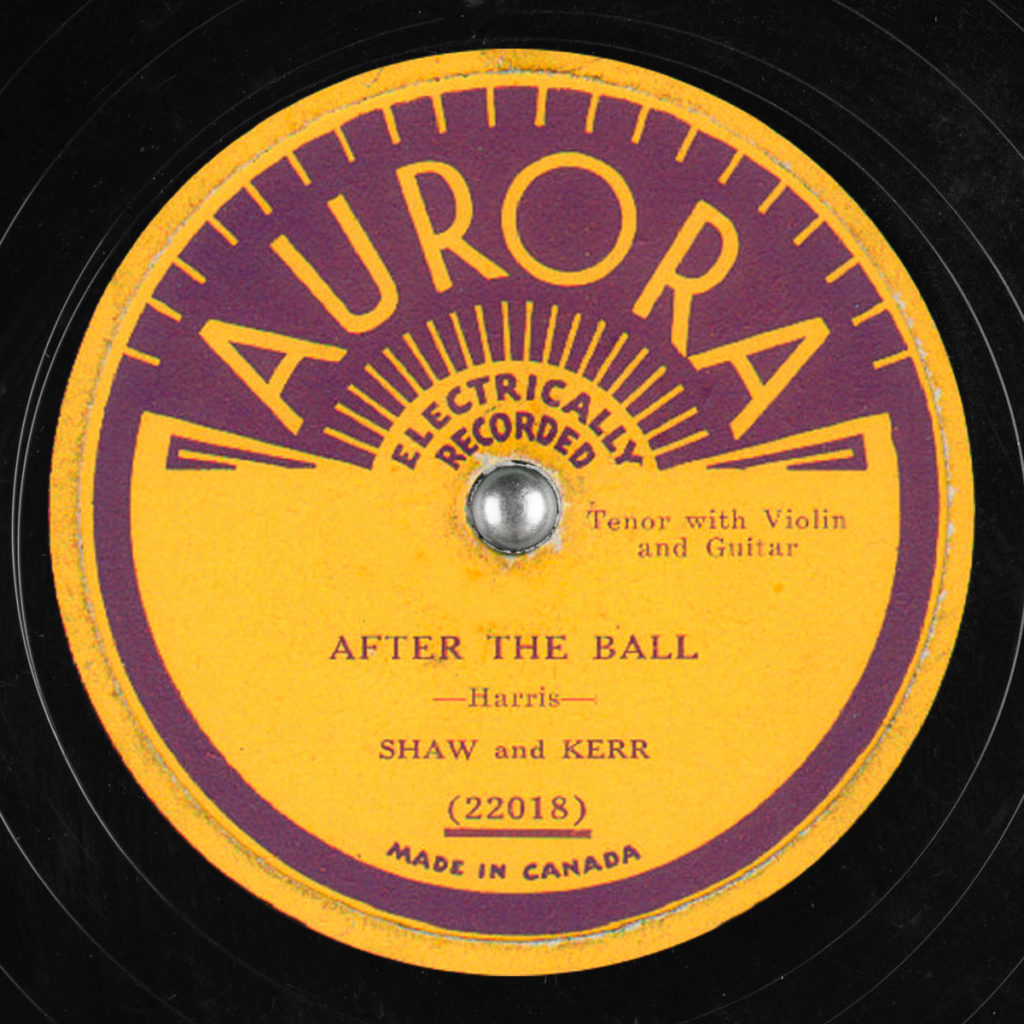 |
1931 - 1934 AURORA was a Canadian label produced by different companies for the T. Eaton Co. Ltd., Canada's largest mail order store at the time. It sold Aurora records between 1931 and 1934. The 22000 series was issued in 1931; all its records came from Brunswick or Melotone masters. A later series came from Victor masters. |
|||
|
||||
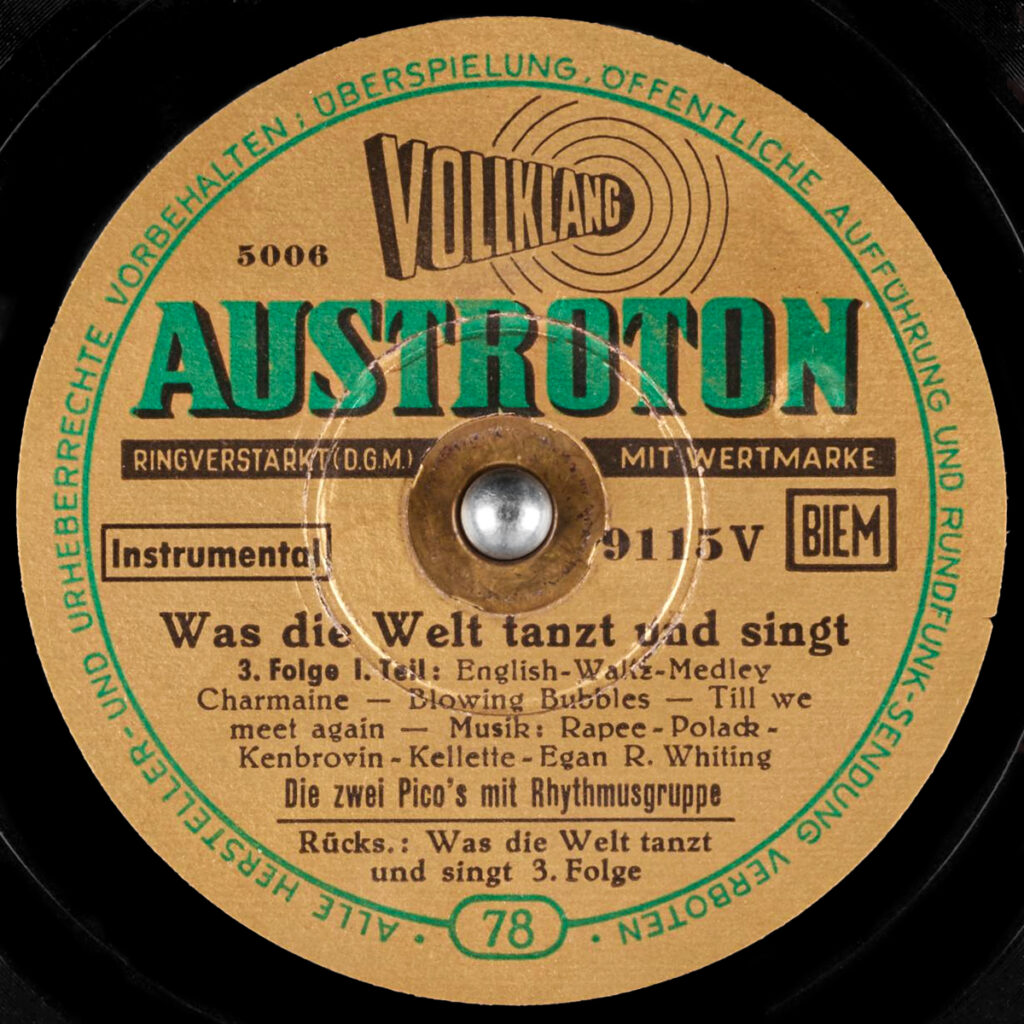 |
1946 - 1955 Gerhard "Mosh" Mendelson (1913 - 1976) was a German music-producer and label owner living and working in Vienna. He discovered Peter Alexander and Peter Kraus among numerous others. In May 1946 Gerhard Mendelson founded the "Austrophon Schallplatten Studio GmbH", a recording studio and the label AUSTROTON. He organized within a few months the almost dead music infrastructure including a pressing plant. The recording studio was located in rooms of the famous "Wiener Konzerthaus". Mendelson and his label "Austrophon-Serie, Elite-Special (Austroton)" developed fast into a center of German language record production.In 1948 they started a connection with the austrian outlet of Swiss Turicaphon.In November 1954 he joined Kirt Feltz in Kon and the result was contract with POLYDOR on Jan. 1st 1955. Today the "Austrophon-Schallplatten-Studio GmbH" is still located in Vienna.One special feature of the records is the reinforced ring, which embraces the center hole. The intention for this is to make the records more long living in record changers as jukeboxes. |
|||
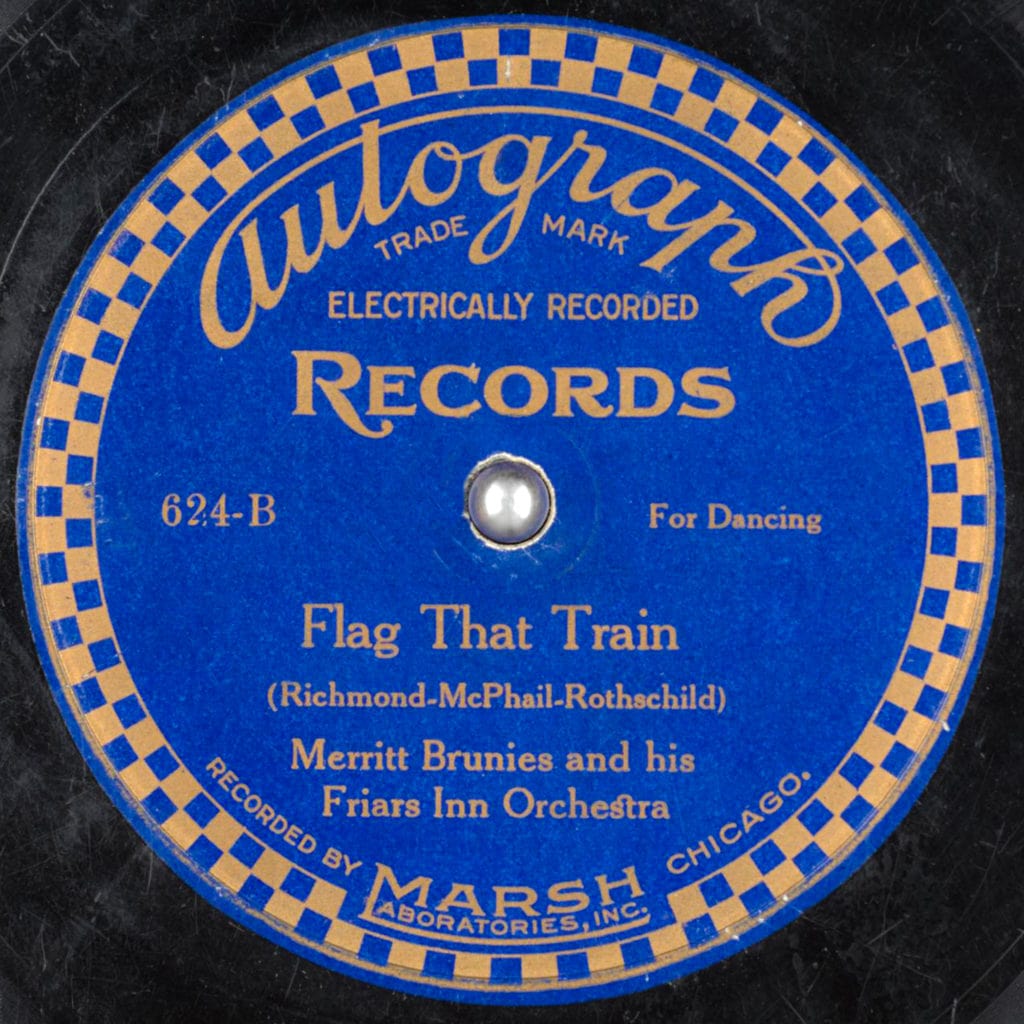 |
1924 - 1926 Autograph Records was an American record label in the 1920s owned by Marsh Laboratories of Chicago, Illinois, which was owned by Orlando R. Marsh, an electrical engineer. Marsh made recordings by his own experimental methods. Autograph was the first U.S. record label to release recordings made electrically with microphones, as opposed to the acoustical or mechanical method that was more commonly used. According to author Brian Rust, Marsh's first electrical records were made in 1924. |
|||
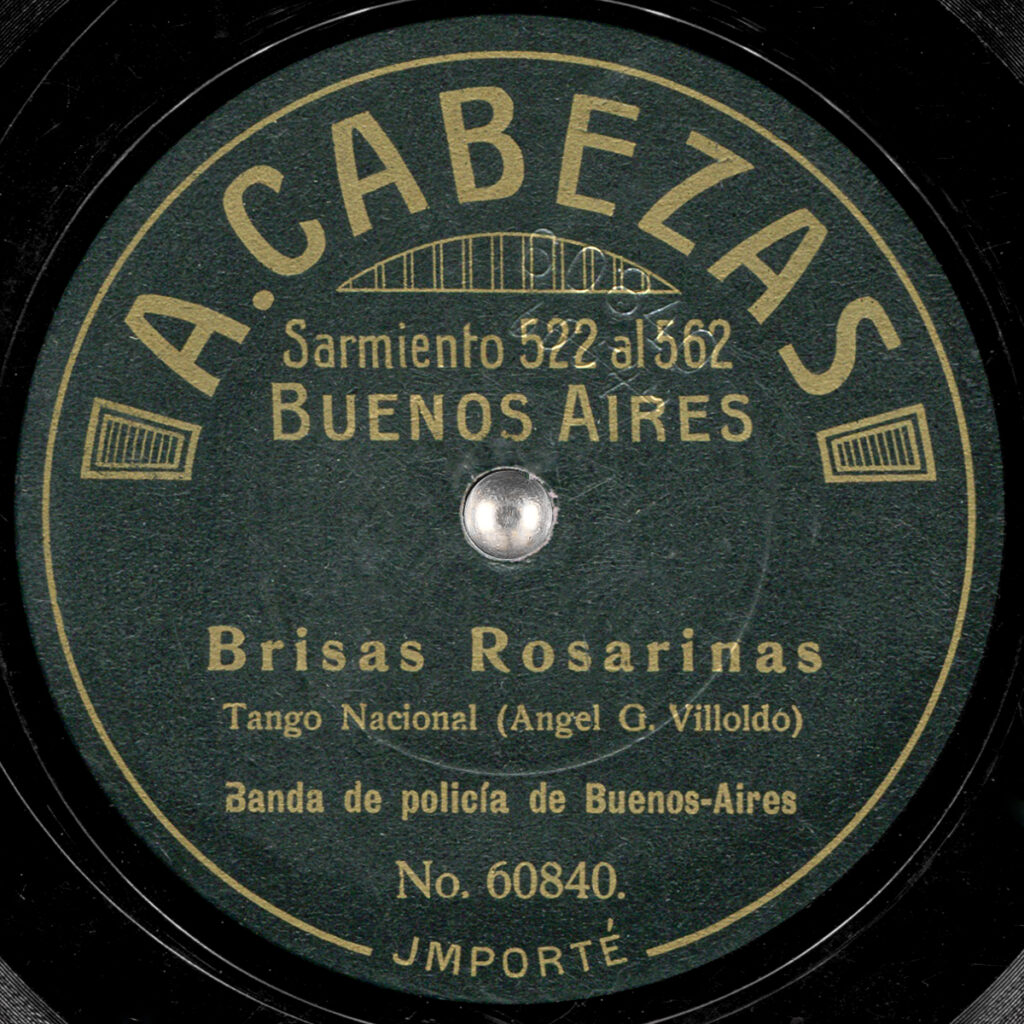 |
1900s
A.CABEZAS was an Argentinian label active in the early 1900s situated in Buenos Aires. |
|||
|
||||
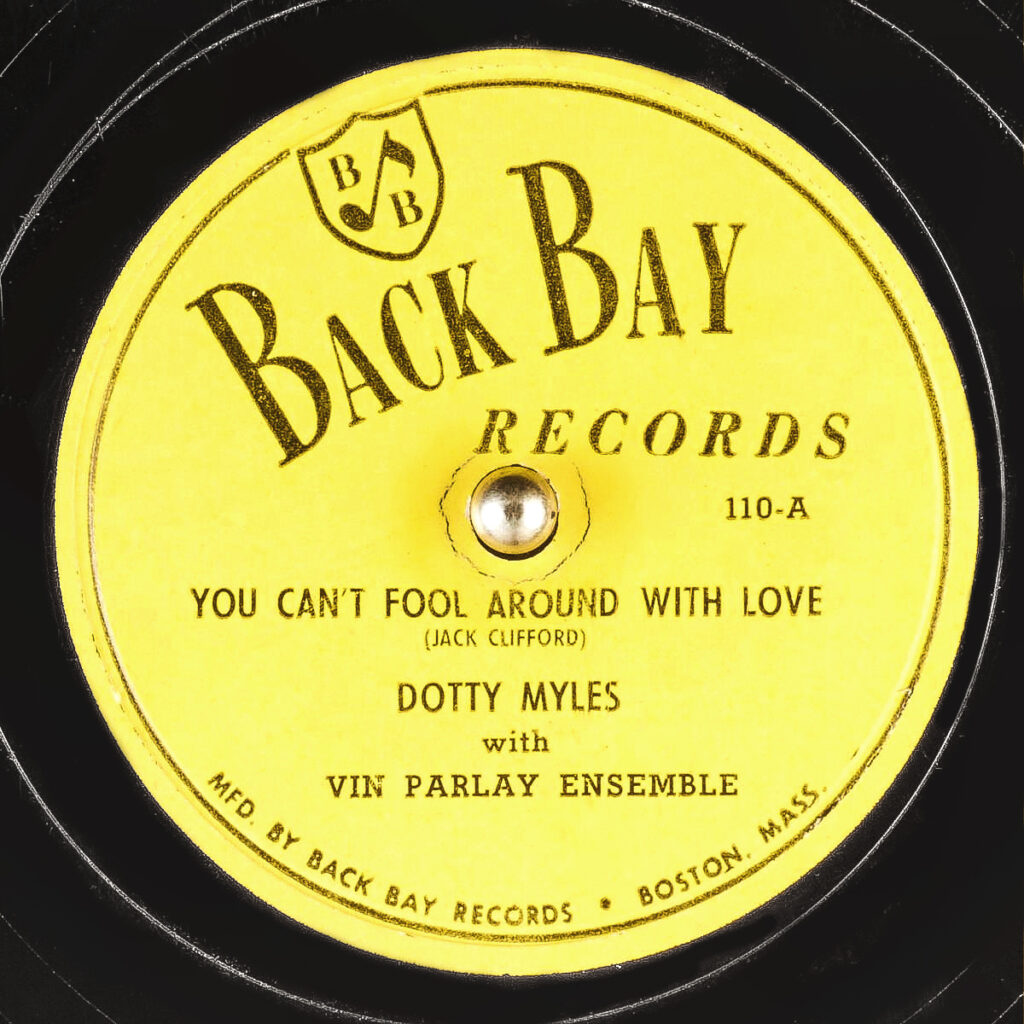 |
1948 - 1949 BACK BAY was a short lived records label from Boston, Massachusetts. It was active from 1948 to early 1949. |
|||
|
||||
|
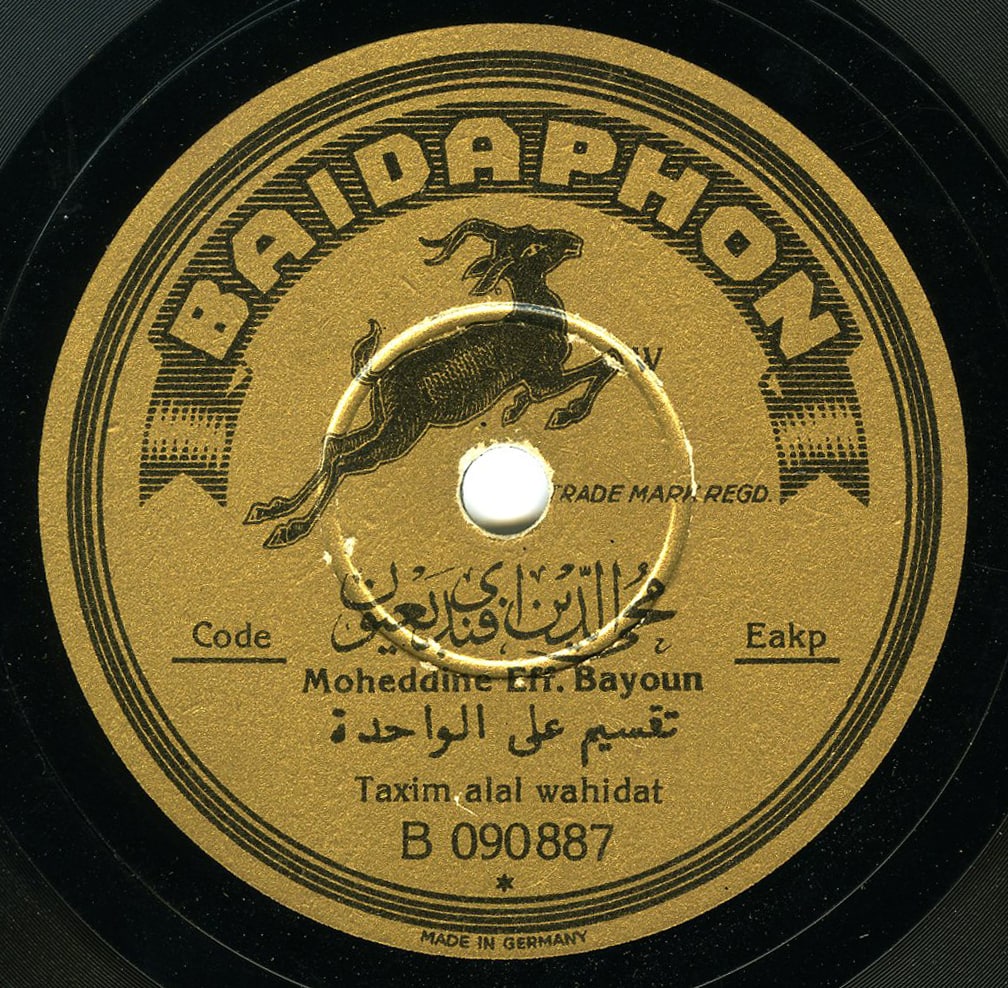
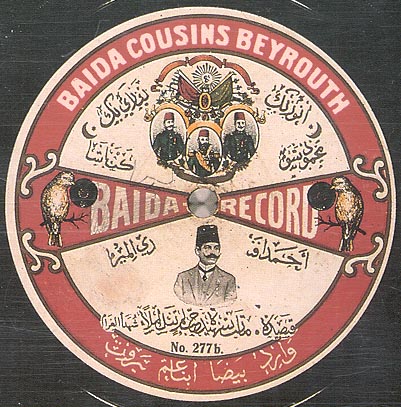
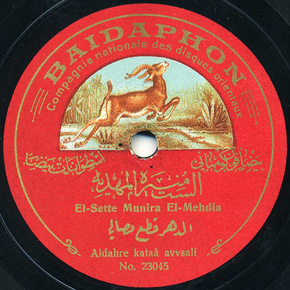
1907 - 1930s Baidaphon is one of the oldest locally owned record companies in the Middle East. It was established by the Baida Family in Beirut during the first decade of the 20th century, with the help of their brother Michel (who worked in Berlin as a doctor and was able to arrange a manufacturing deal from a Germany company) and their two cousins Butrus and Jibran. Farajallah was an early Lebanese recording artist, and was uncle to the singer ????? ???? (Eliyya Baida). The company's first recordings were made by transporting talent to Berlin, but the records were shipped back to Beirut for sale. The earliest evidence of sales in Beirut are documented to 1907 although the label may have been operating earlier. Recording in Lebanon, with the help of European engineers, began the same year. Its operating soon began to spread throughout the Arabic world, and by the mid 20s had offices as far west as Tunisia and as far east as Iran. There also had a mail order business located in Berlin which sold items to the European as well as North and South American markets. With the outbreak of World War II, Baidaphon no longer was able to rely on most of their European pressing plants, however they were able to make a deal in neutral Switzerland, and many Baidaphon releases from the war period are noted as being manufactured by the Swiss. Early labels from the company carried the phrase Baida Record until Baidaphon began to appear around 1911. The Baidaphon name was also accompanied by the new logo of the label which featured a prancing Gazelle. After the death of Butrus Baida in the early 1930s, the remaining partners began to split apart and the company took on a new partner Mohamed Abdel Wahab who helped transform the Egyptian brach of the Company into Cairophon Records in the 1940s, while Baidaphon continued in the Levant and North Africa. |
|||
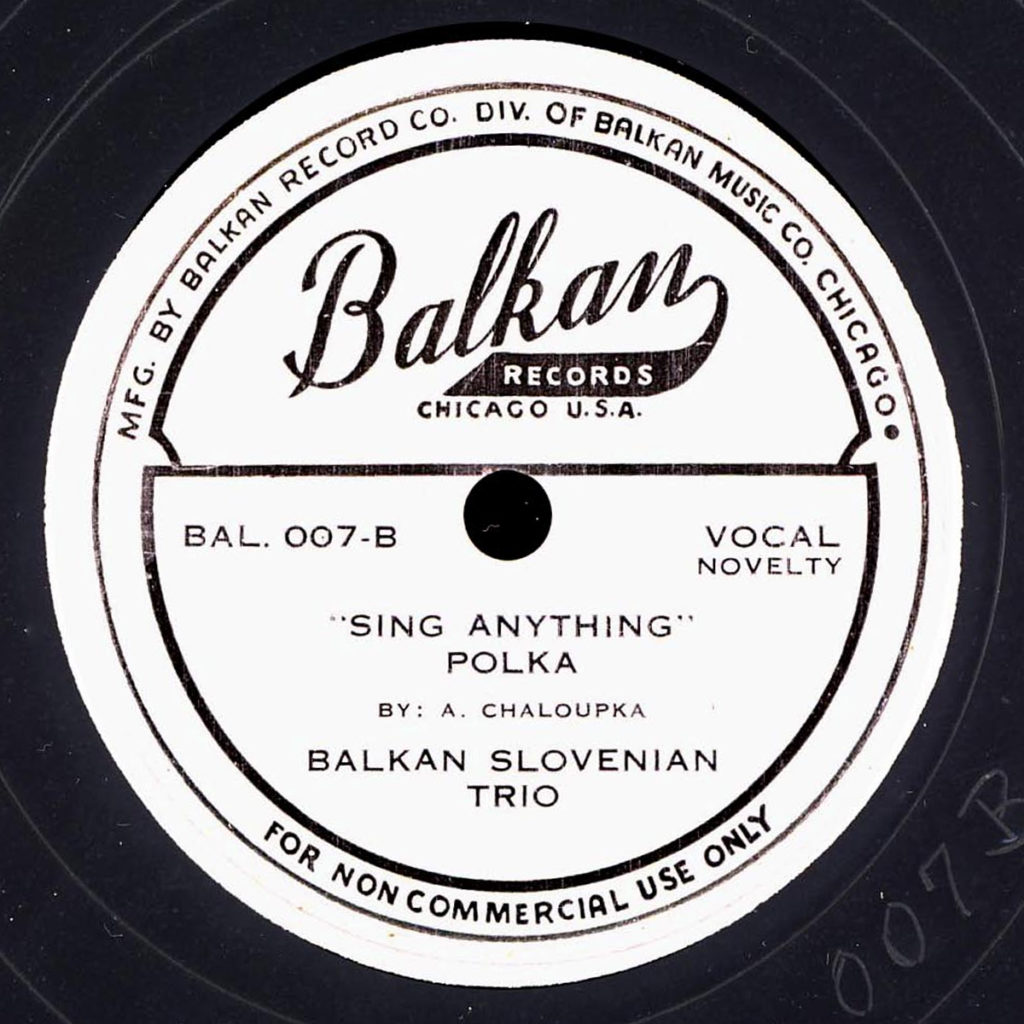 |
1947 - today Balkan Records was a Chicago-based record label run by Slavko A. V. Hlad that produced Folk Music, Polka, and other ethnic recordings. They also produced custom records from clients' tapes. The parent company, Balkan Music Co., also maintained its own recording studio and a full service music store that carried sheet music, musical instruments, and offered music lessons. Many of the company's recordings have been reissued on CD by Esoteric Sound. |
|||
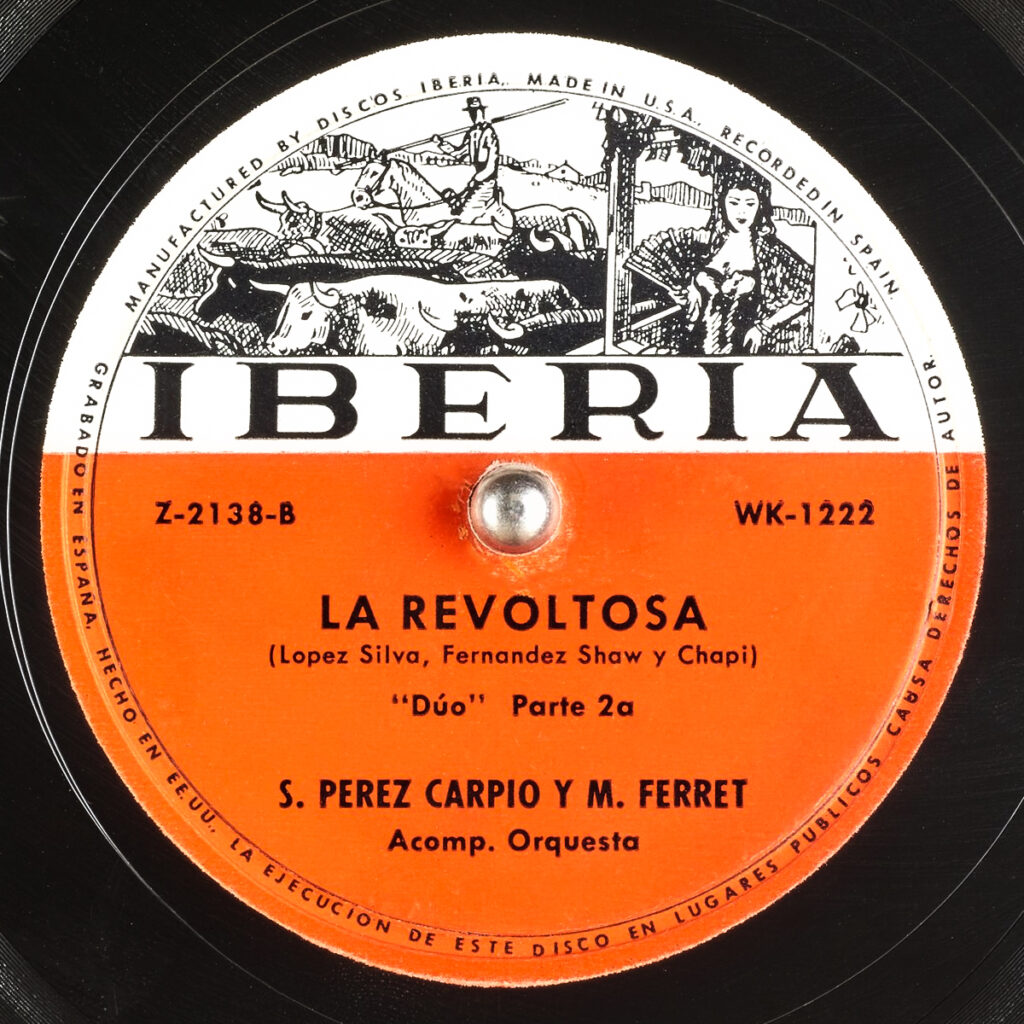 |
1940s - 1980s IBERIA was a record label from Spain. It was produced by Fabrica De Discos Columbia S.A. It was based, company and factory, first in San Sebastian then corporate headquarters moved to Madrid in 1957 and factory in early 1970s to Madrid. The company was established in 1935 after its predecessor, the Columbia Graphophone Company, S.A.E. got into a conflict with its British parent EMI. (Columbia Gramophone Company SAE itself had been established on August 30, 1923) While the Columbia Gramophone Company SAE used two labels: Regal for local repertoire and Columbia for the rest, Discos Columbia switched to Columbia for all their releases and established the Alhambra Records Corporation for Latin America. IBERIA was a subsidiary. |
|||
|
||||
|
||||
|
||||
|
||||
|
||||
|
||||
|
||||
|
||||
|
||||