Elvis Presley
CD and Vinyl

| Record Companies Labels sold in Asia. | ||||
 |
|
|||
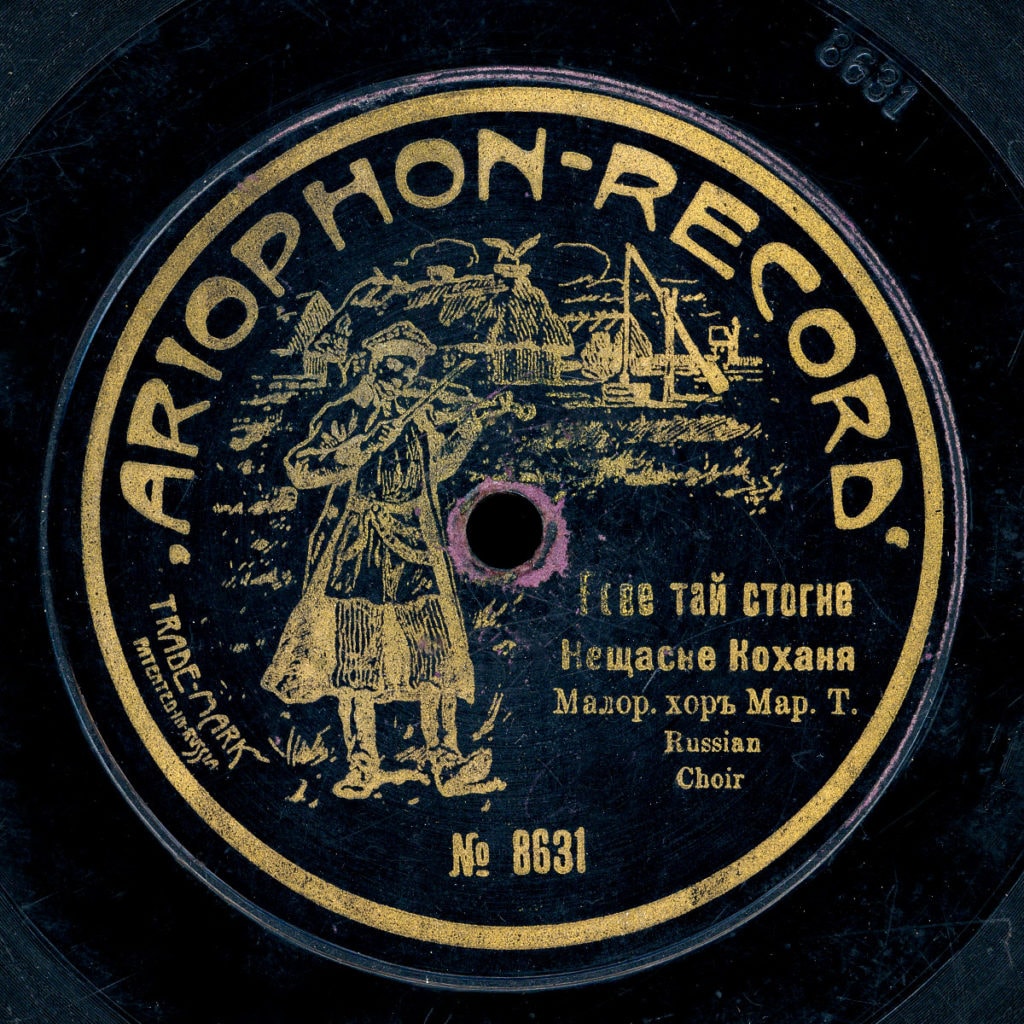 |
1909 - 1913 Small Warsaw company owned by Z. Klamborowski was active during 1909-1913 and located on 54 Przyokopowej, Warsaw. Probably, the factory was set up already in 1898 in Poznan, and in 1909 moved to Warsaw. |
|||
|
|
|||
 |
1950s BATAAN Records was a record label situated in Manila, Phillipines, active in the 1950s. Famous singers like "The Queen of Kundiman" Sylvia La Torre produced at BATAAN Records. |
|||
|
||||
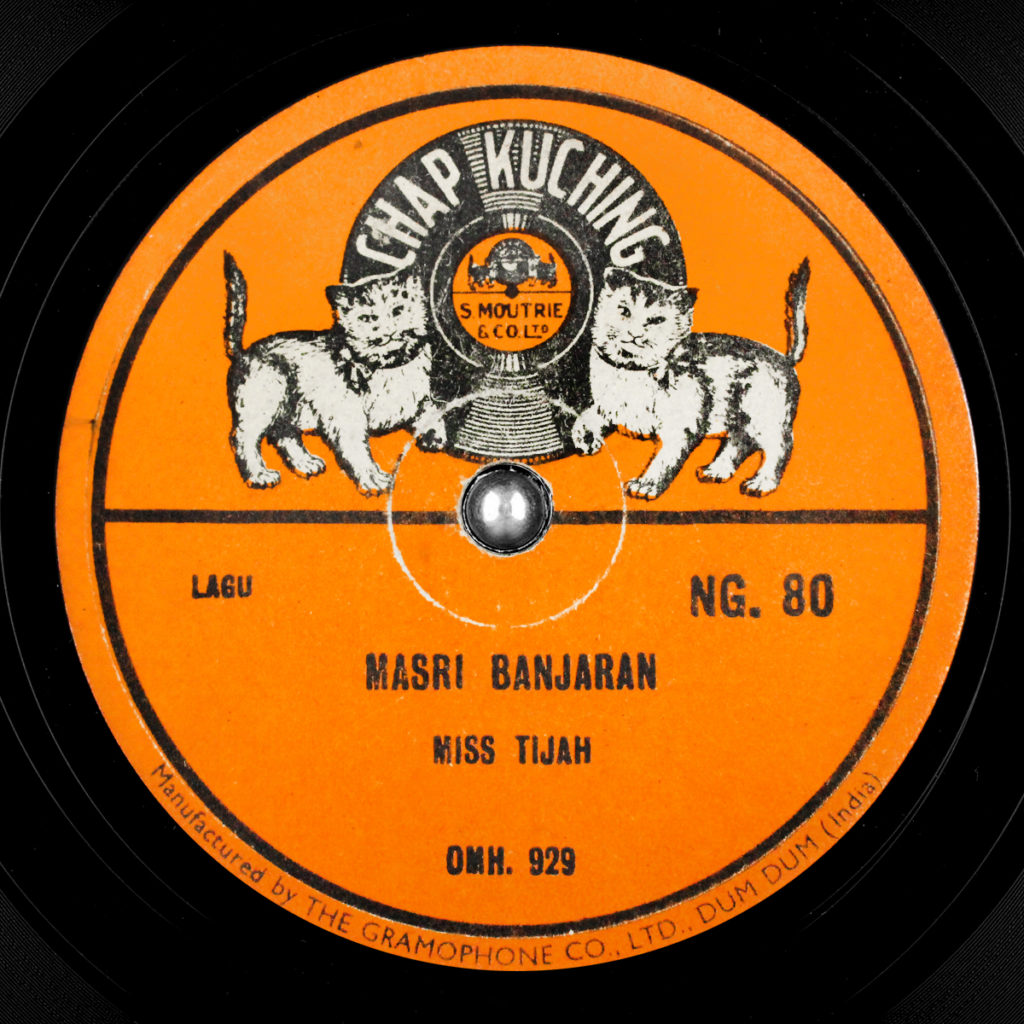 |
1934 - 1941 CHAP KUCHING was one of the earliest local record labels. It was set up by Moutrie & Co. Ltd. in 1934, and specialised in Malay records. CHAP KUCHING was originally managed by Thomas Hemsley. He eventually left to set up his own label, Chap Singa in 1937.The label ceased operations in 1941. |
|||
|
||||
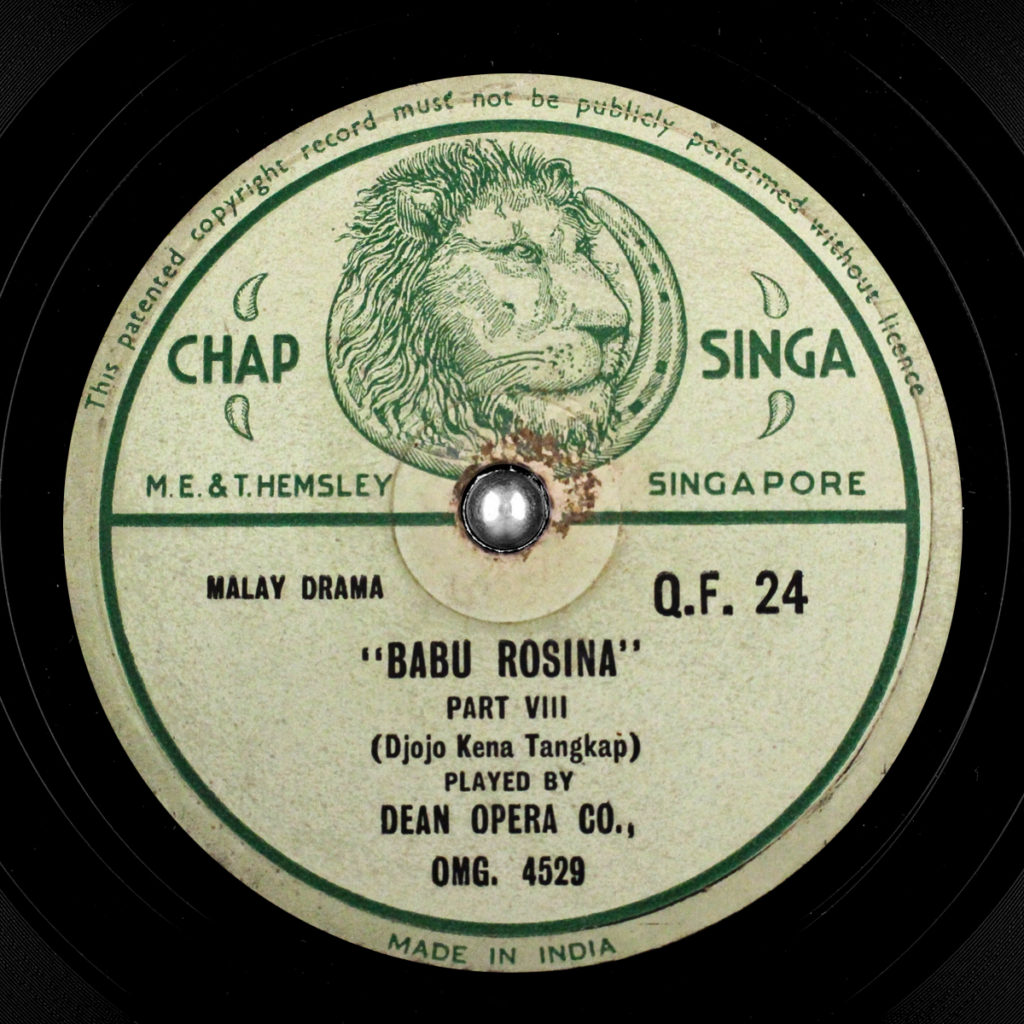 |
1937 - 1941 CHAP SINGA was one of the earliest record labels established in Singapore. It was set up by M.E. & Thomas Hemsley in 1937. Hemsley had previously been the manager of CHAP KUCHING, another early local record label. Both labels ceased operations in 1941. The records were pressed in India. |
|||
|
||||
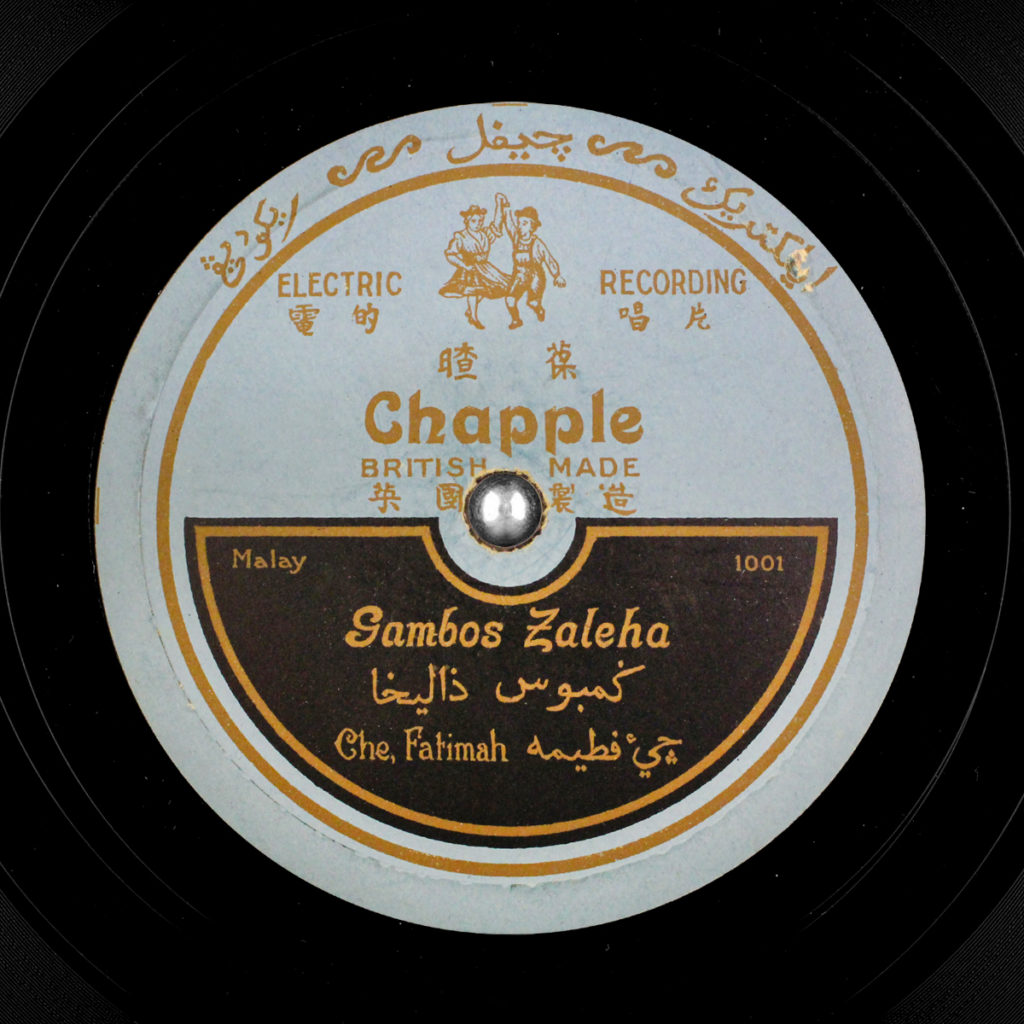 |
1930 - 1931 Chapple records were manufactured in England and distributed by the Eastern Gramophone Co. Ltd. in Singapore. The label specialised in Malay recordings, but was only in existence between 1930 and 1931. |
|||
|
||||
 |
1938 - 1941 Independent record label established in 1938 in the Dutch East Indies (now Indonesia) and existed until 1941. It recorded artists from Batavia and Bandung and a substantial amount of Minangkabau music. The records were manufactured by The Gramophone Company Of India Ltd.. |
|||
|
||||
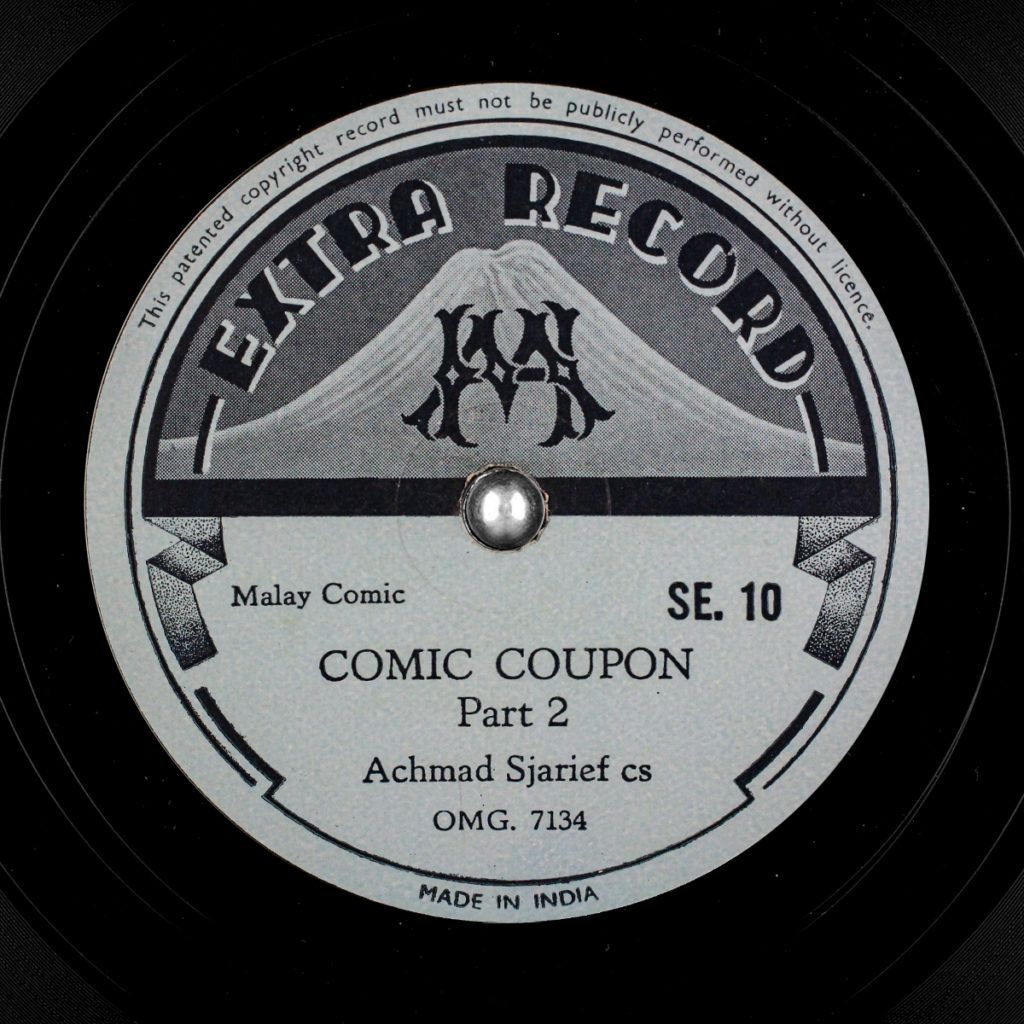 |
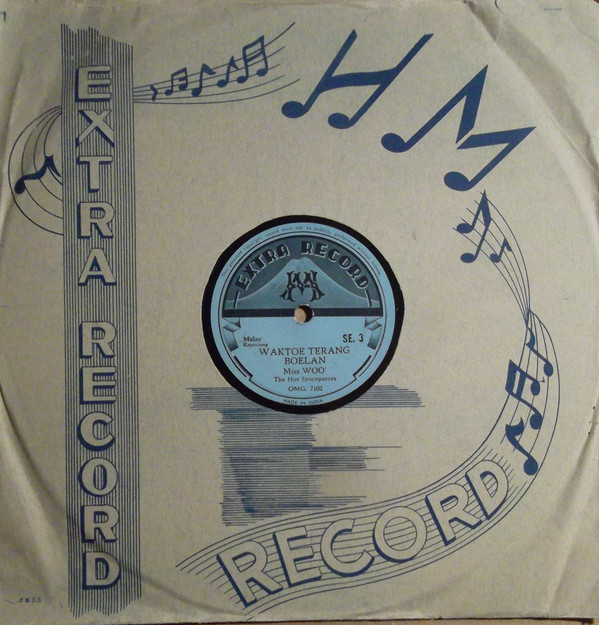
1941 The EXTRA label was based in Palembang, Indonesia, in the south of Sumatra, and was in operation in 1941, before the Japanese occupation. Extra records were pressed in India. |
 |
||
|
||||
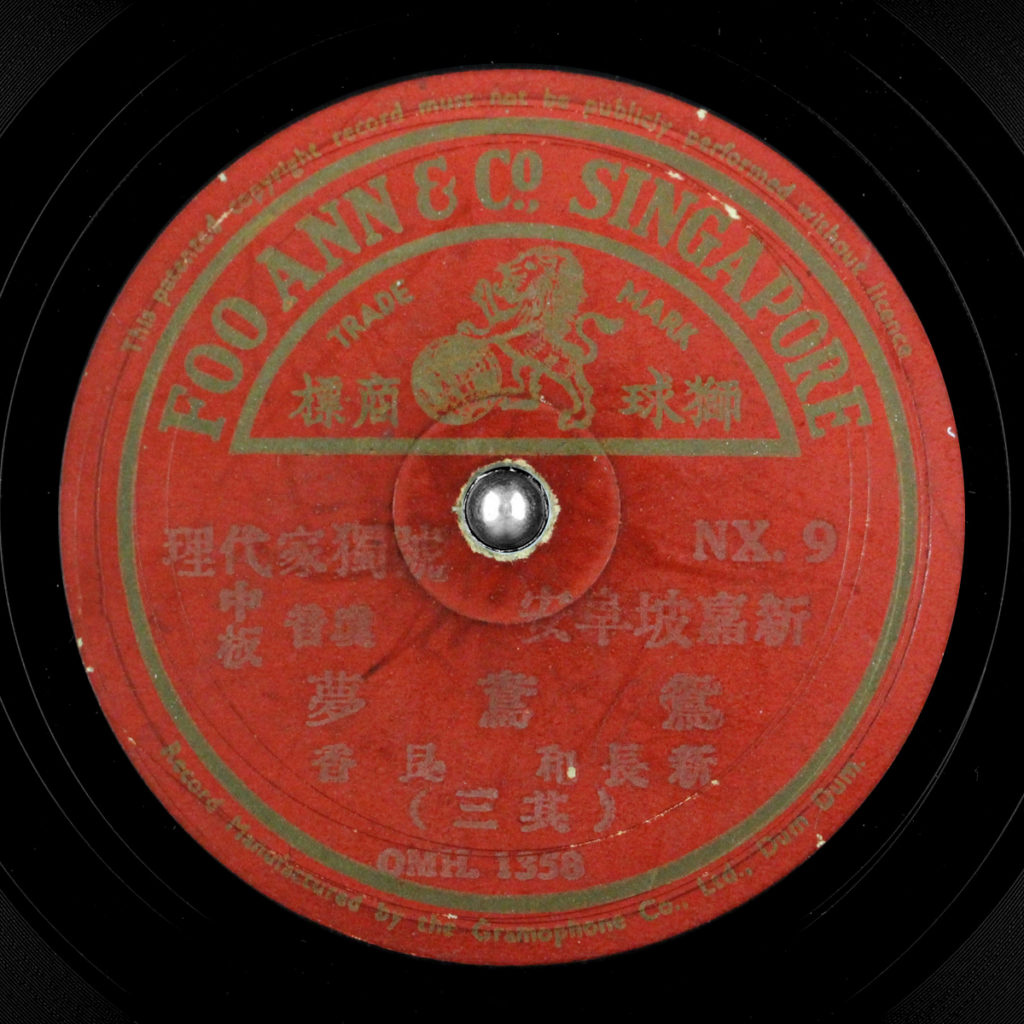 |
Foo Ann & Co. records was a label active in the 1930s in Singapore. The records were pressed by the Gramophone Co., Ltd., Dum Dum (India). | |||
|
||||
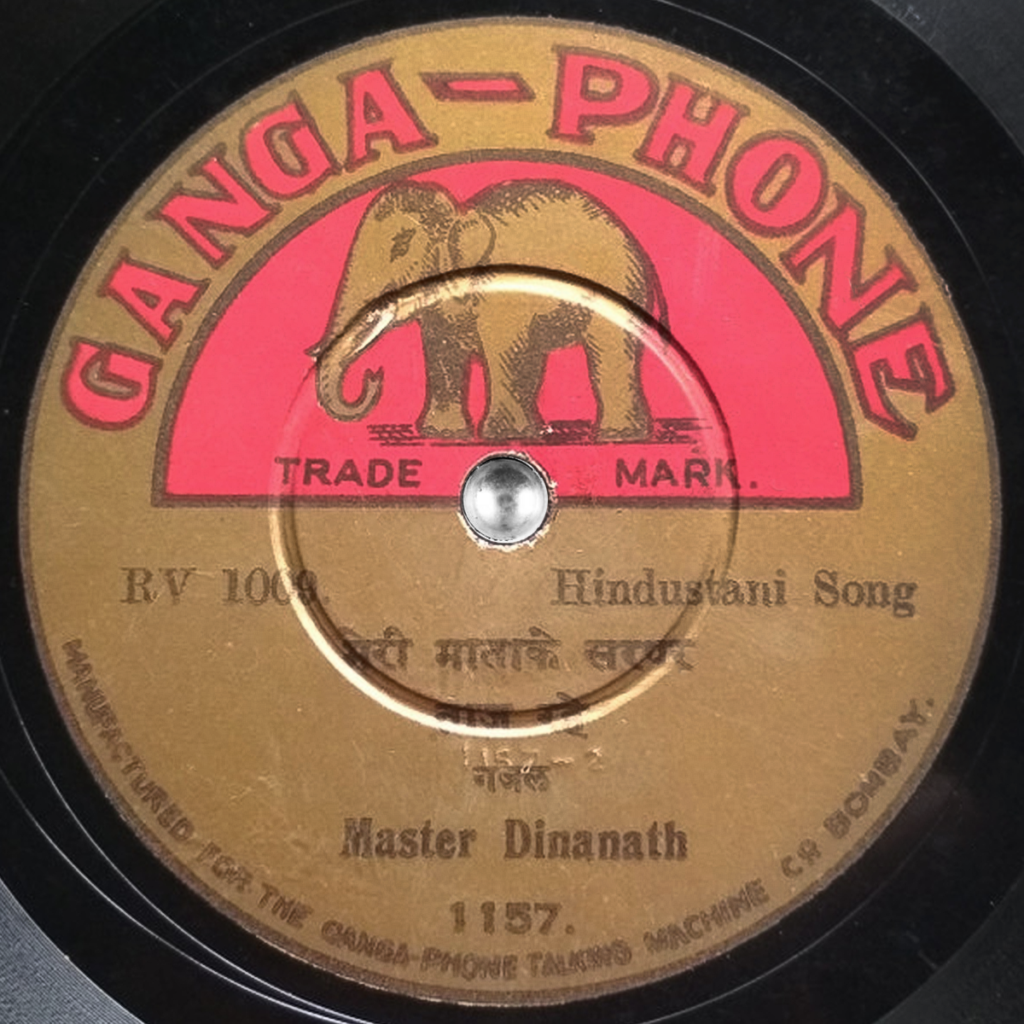 |
1940s GANGA-PHONE was a record label from Bombay, India. the records were made for The Ganga-Phone Talking Machine Co. Bombay in the 1940s. |
|||
|
||||
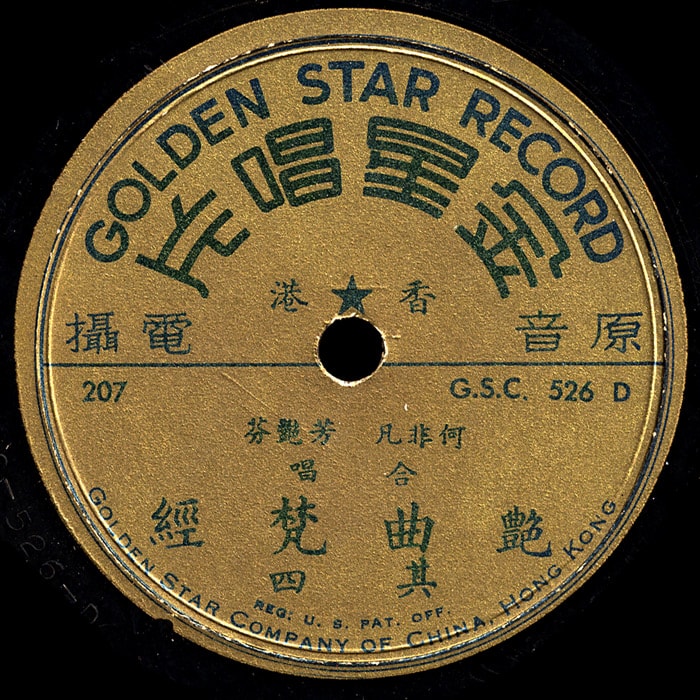 |
1920s - 1930s Golden Star Records in Hong Kong came into being in the 1930s and featured mostly Cantonese and Chinese opera music. Mandopops were rare at that time under this label. |
|||
|
||||
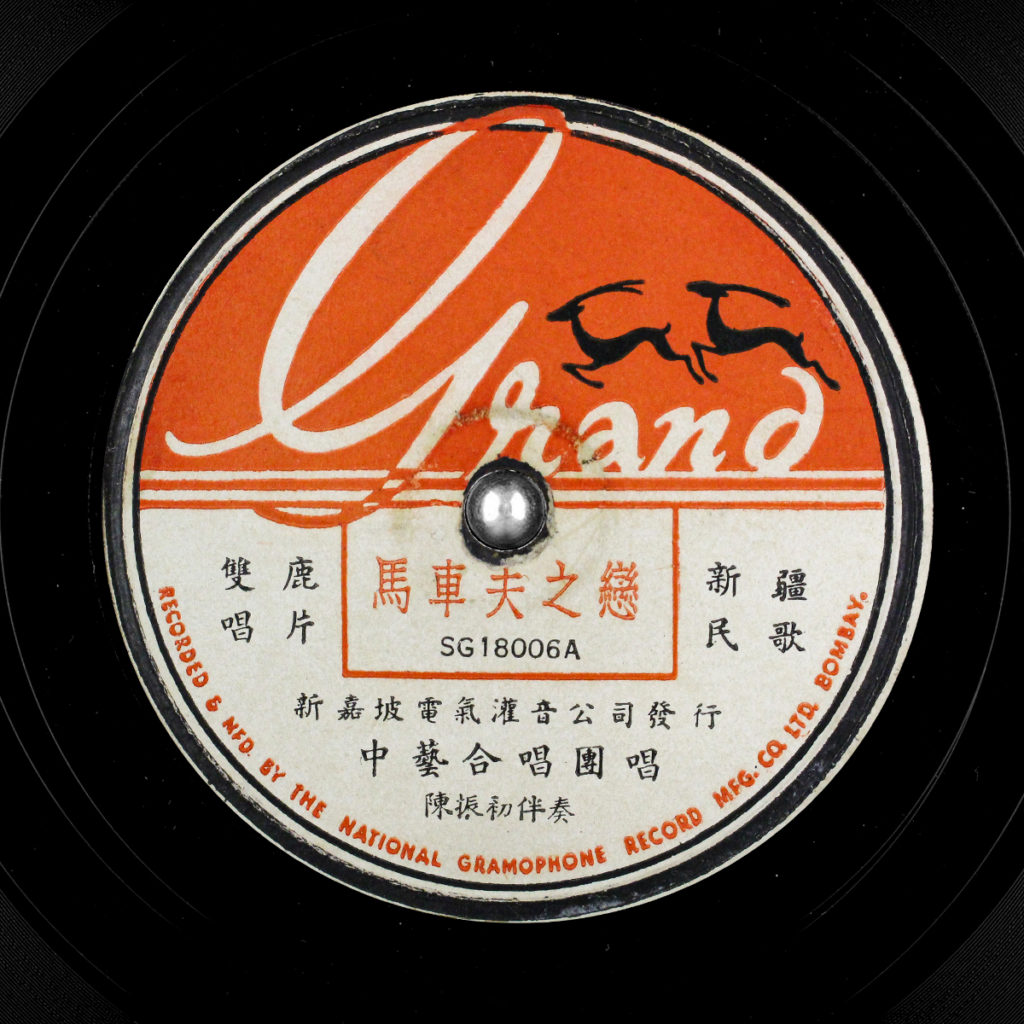 |
1940s Grand was an Asian record label active from the end of the 1940s till from Singapore. |
|||
|
||||
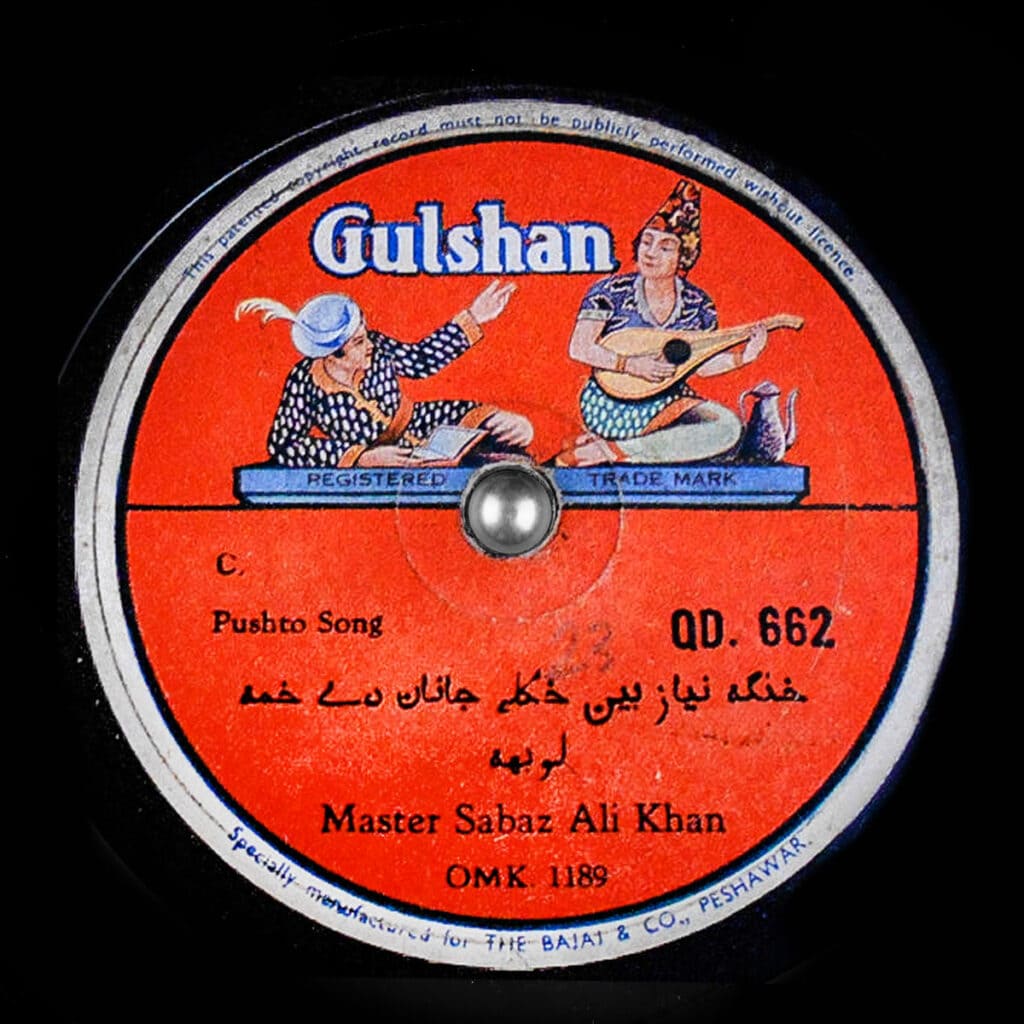 |
1937 - 1947 Indian label produced for Bajaj & Co., Peshawar from 1937 to 1947. |
|||
|
||||
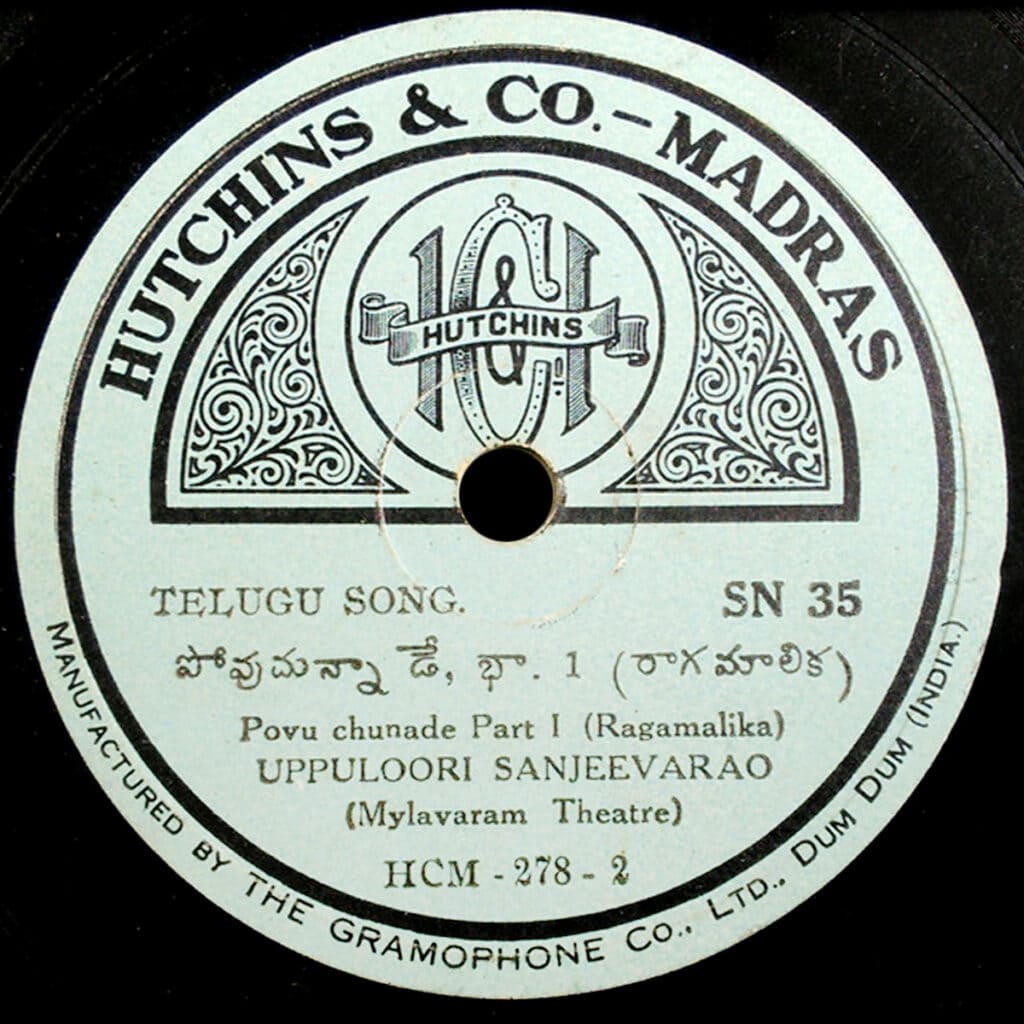 |
1933 - 1941 Indian label active from 1933 to 1941 which was established by Hutchins & Co., Madras who were record & gramophone dealers active from the 1920s until 1941. The first recordings on this label were made in a studio at one of the company's record shops in Madras between 1932 and 1935. Later recording sessions were conducted in Madras by The Gramophone Co. for Hutchins & Co. All records were pressed by The Gramophone Co. |
|||
|
||||
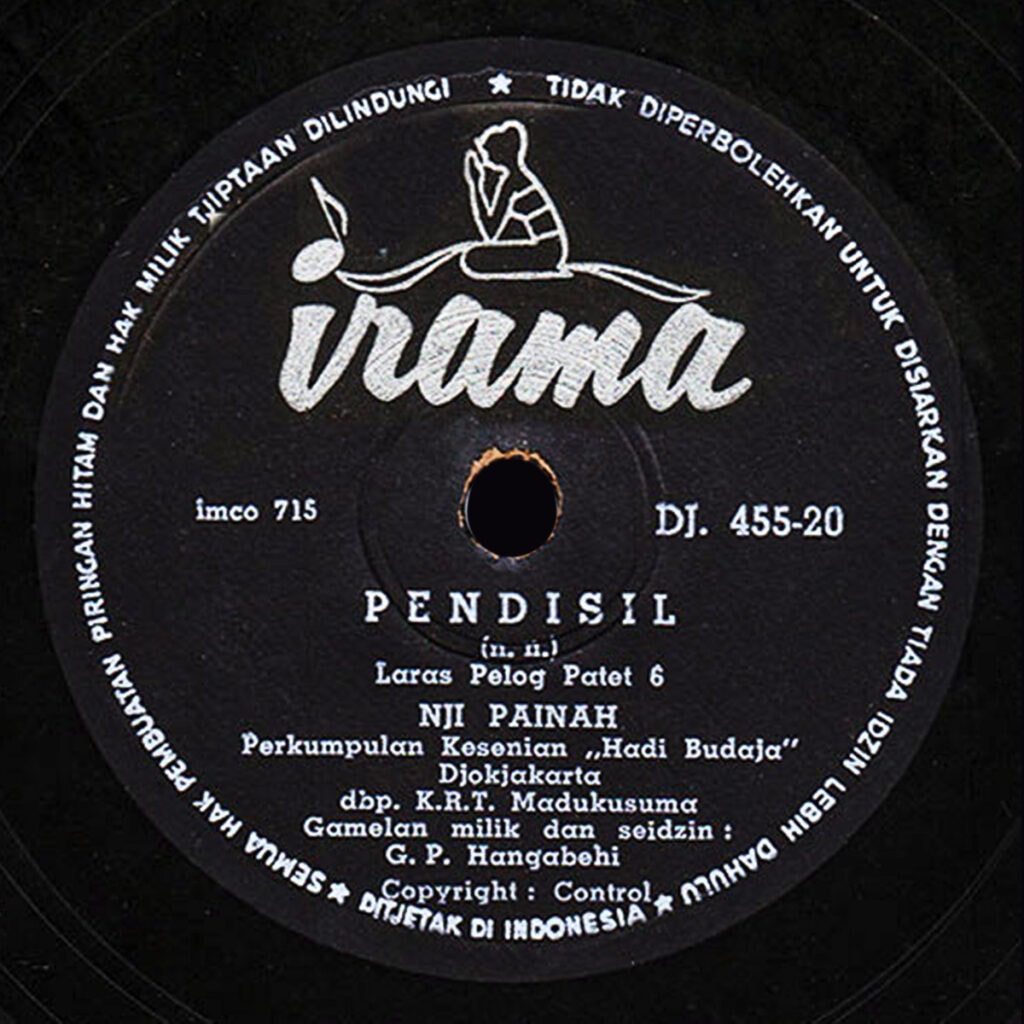 |
1954 - 1970s Irama was Indonesia’s first independent record label, started in 1954 by Suyoso Karsono. “Irama” actually means “rhythm”. Irama released a wide variety of traditional and popular music. |
 |
||
|
||||
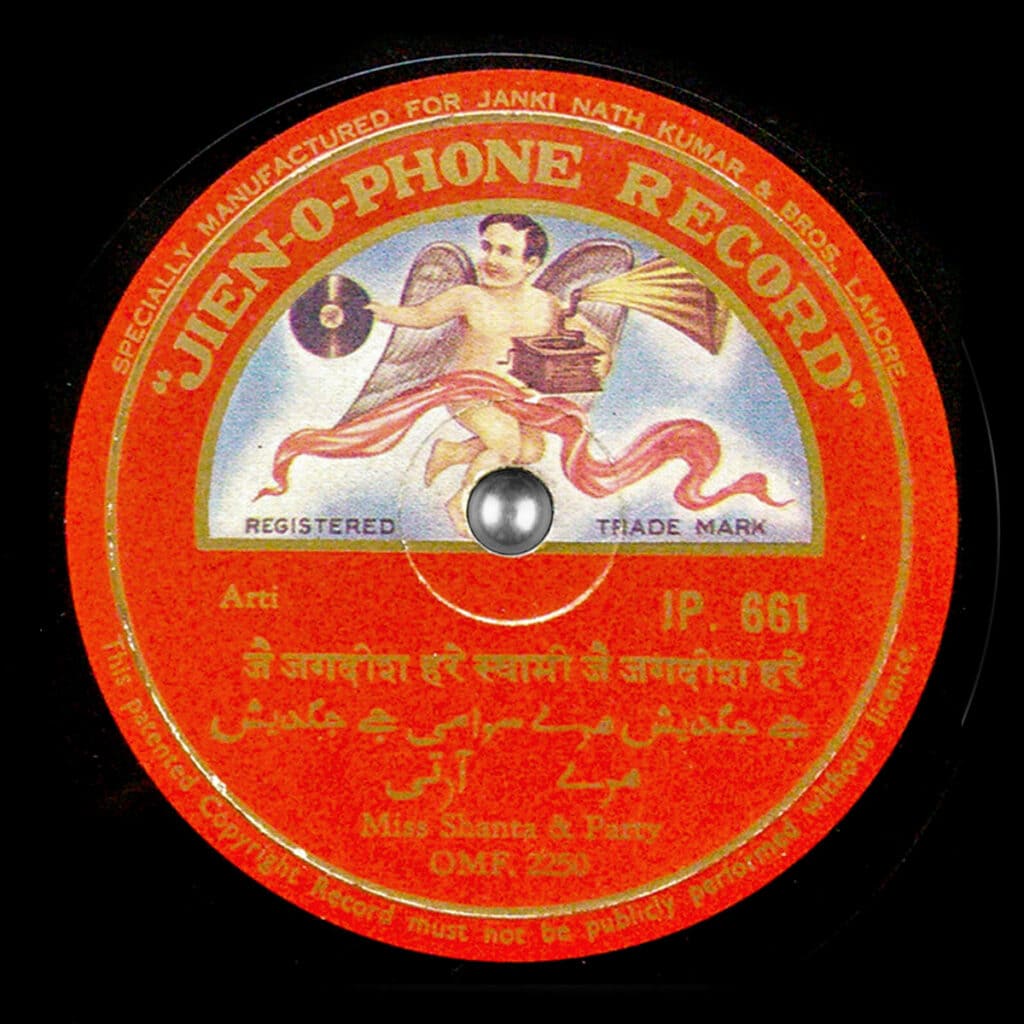 |
1933 - 1946 Jien-O-Phone was an Indian label produced for Janki Nath Kumar & Bros., Lahore. The label was active from 1933 to 1946. |
 |
||
|
||||
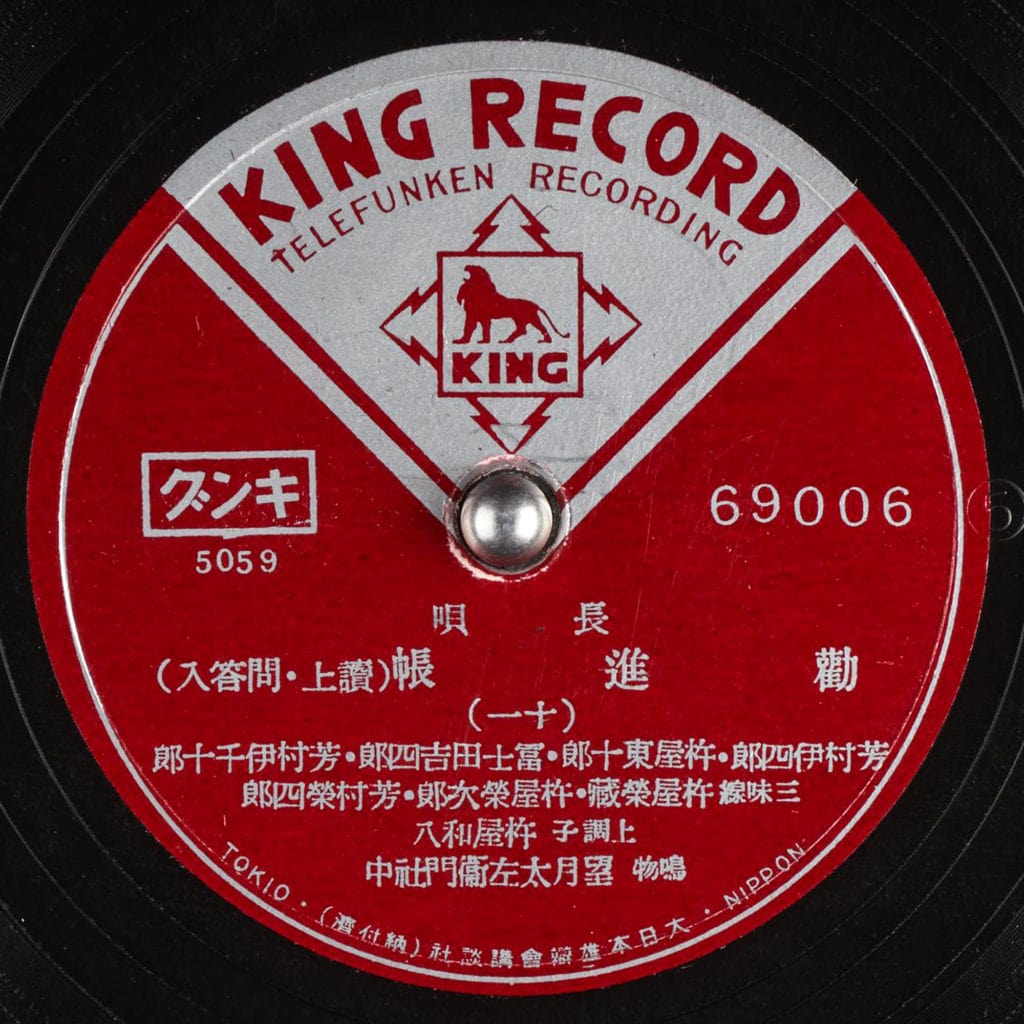 |
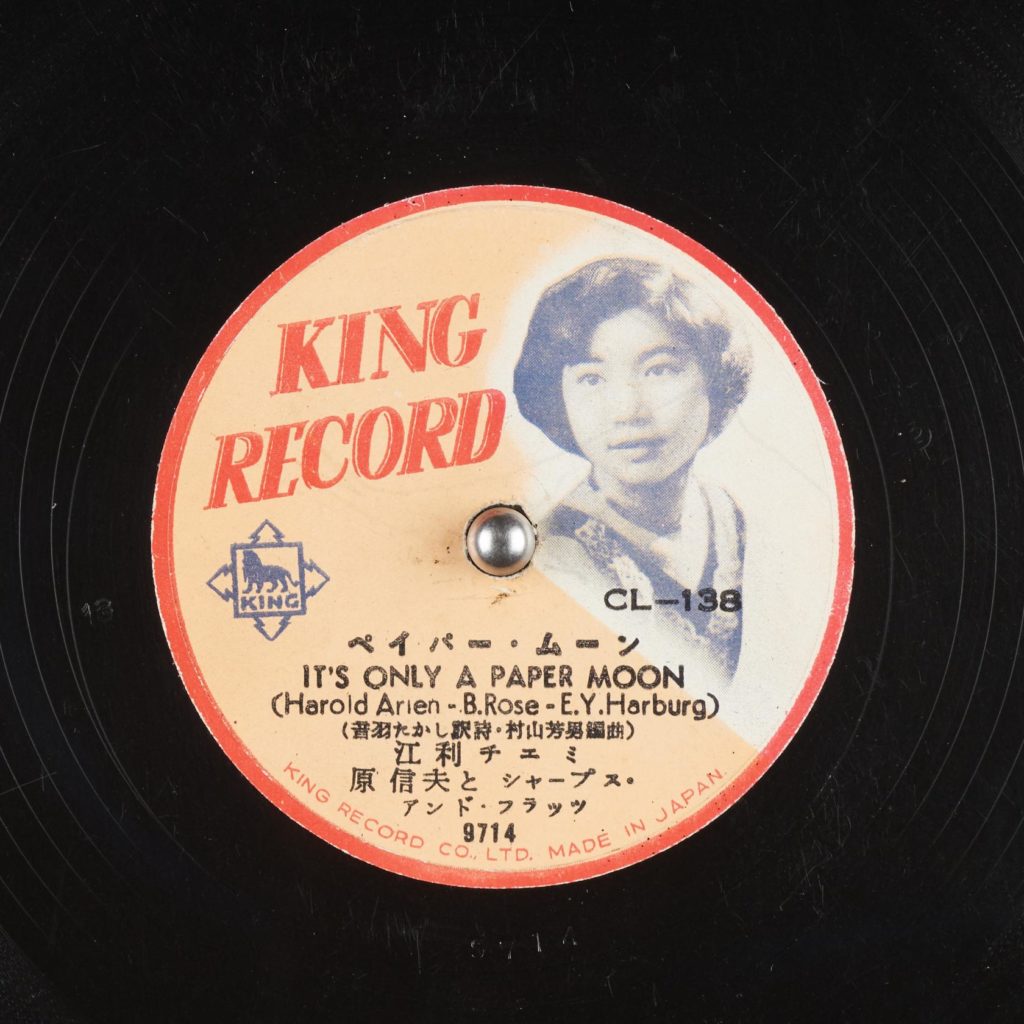
1931 - today (Japan) King Record Co., Ltd. (Kingu Rekodo Kabushiki) is a Japanese record company, founded in 1931 as a division of Japanese publisher Kodansha. It became and began operating as an independent entity in the 1950s, but remains part of the publisher's Otowa Group. Now one of Japan's largest record companies not to be owned by a multinational entity, it is headquartered in Tokyo. |
 |
||
|
||||
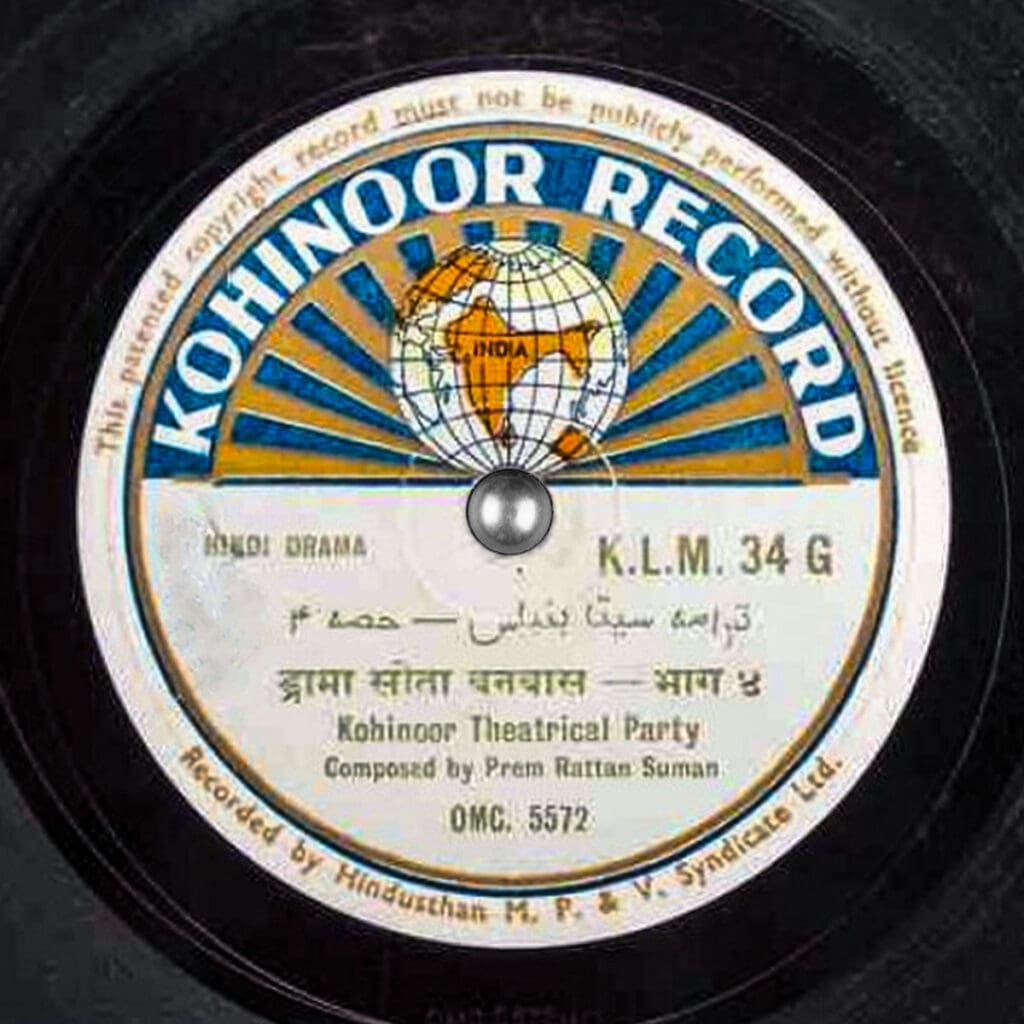 |
1936 - 1980s Indian label started in 1936 and initially produced by Hindusthan. By the early 1960s the company had a retail shop in the name of Kohinoor Record Co. at 22 Lower Chitpore Road, Calcutta and continued to market records into the 1980s. |
|||
|
||||
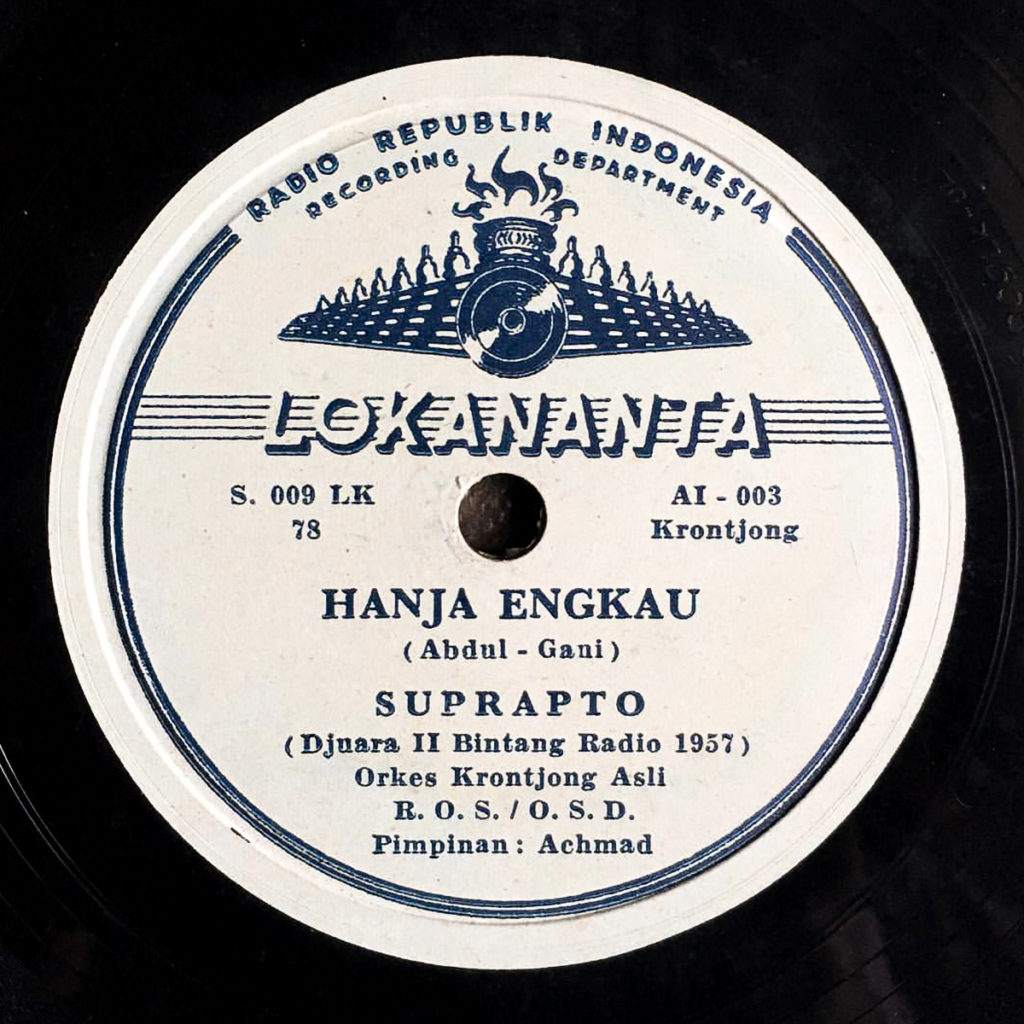 |
1956 - today Lokananta is the first record label of Indonesia. It was established on 29 October 1956 at Surakarta, Central Java. In the beginning of its history, its primary function was that of offering a transcription service for RRI (Radio of the Republic of Indonesia) and manufacturing phonograph records and audio cassettes for broadcast by RRI stations throughout Indonesia; the master records were produced by the various RRI facilities and then sent to Surakarta for pressing. The word Lokananta means "Gamelan from Heaven", was suggested by R. Maladi, the head of RRI at the time, and Surakarta was chosen because of its long history of radio broadcasting. Lokananta has over 40,000 recordings, which include some 5,200 commercial labels, in its collection. About 20,000 recordings are without cover. Nowadays, after the bankrupt of 2001, Lokananta is trying to renovate its image, working on the recording of new musical genres and on the re-mastering of its impressive archive on physical supports like CDs, DVDs and WAV files: nineteen people still work here and Lokananta’s main income is now the rental fee of some futsal space they were forced to create in the past three years. |
|||
|
||||
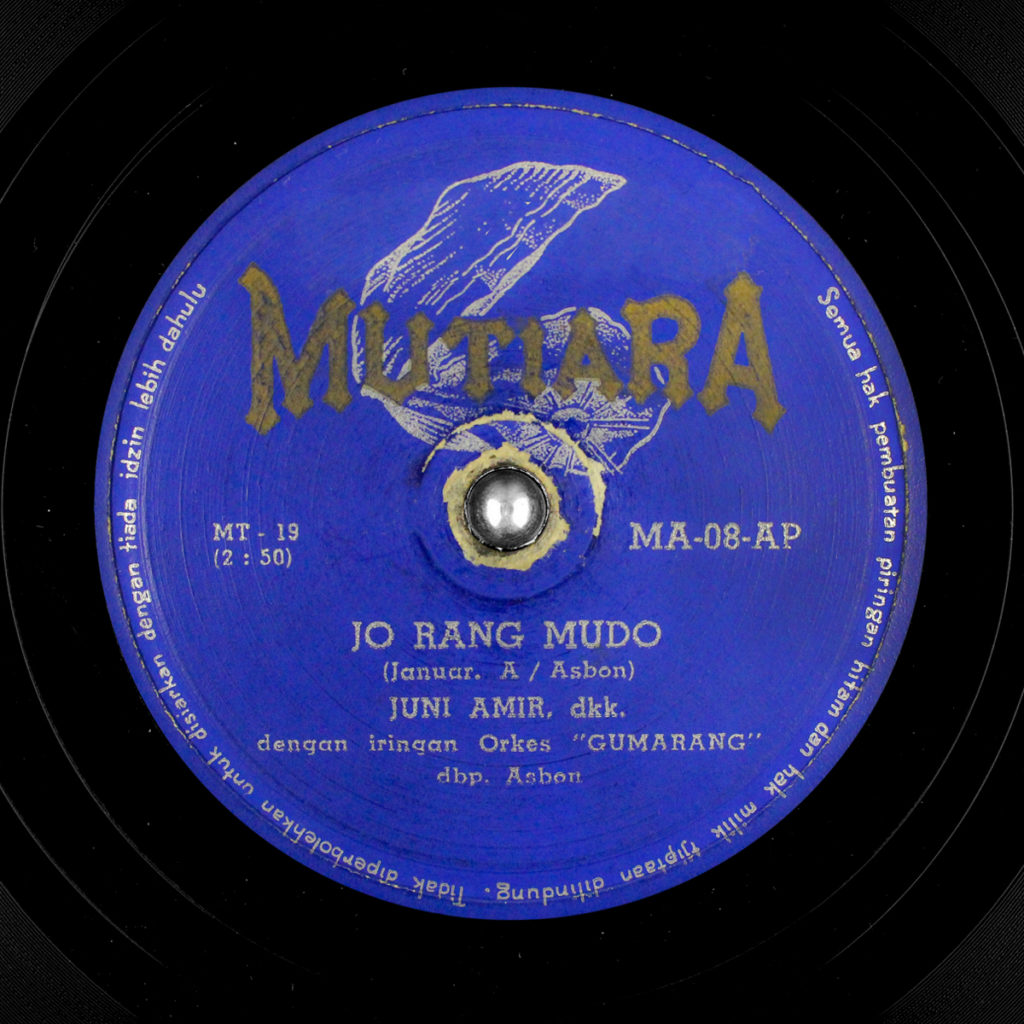 |
1950s - 1980s MUTIARA ("pearls") was an Indonesian label active from the 1950s - to the 1980s. |
|||
|
||||
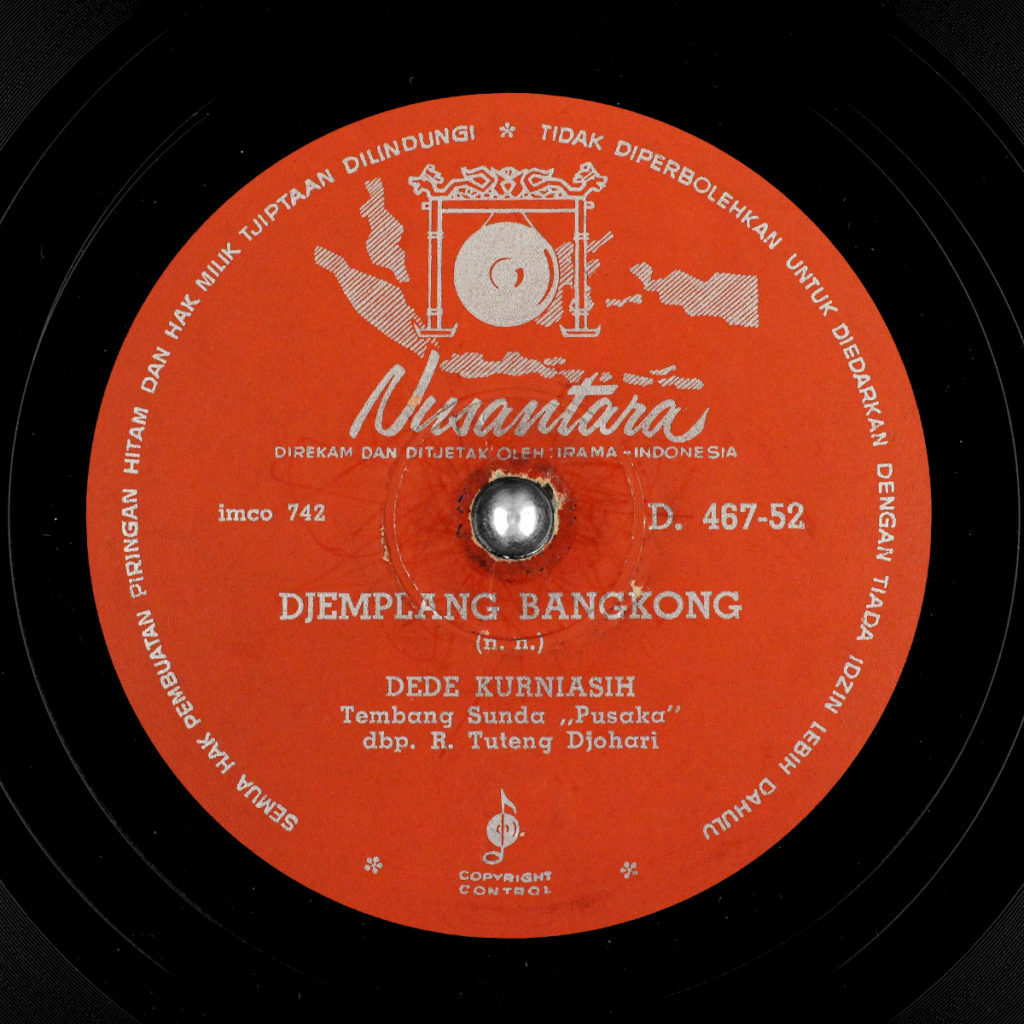 |
1950s - 1970s Nusantara was an record label from Indonesia. Nusantara is an Indonesian word for the Indonesian archipelago. It is originated from Old Javanese and literally means "archipelago". In Malay, Nusantara bears the meaning of Malay World. The word Nusantara was taken from an oath by Gajah Mada in 1336, as written on an old Javanese manuscript Pararaton and Negarakertagama. The records were pressed by IRAMA. Maybe Nusantara was a subsidiary. |
|||
|
||||
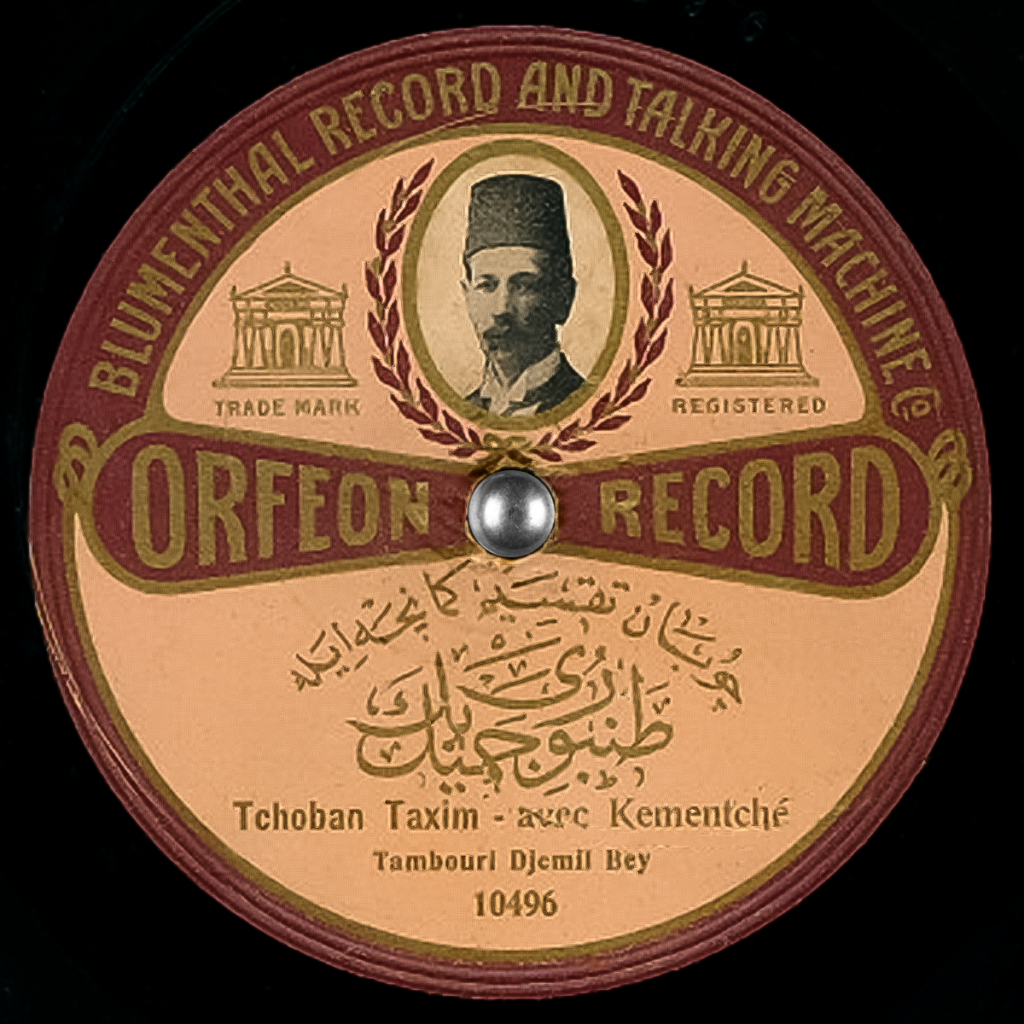 |
The first Turkish record company was
founded in late 1910 or early by the brothers Julius and Hermann Blumenthal.
Born in the Levant to Russian parents, the Blumenthals had previously
served as local agents for Odeon. Shortly afterward, the brothers opened
Turkey’s first record factory, in Feriköy. They wasted no time addressing
the Sephardic market in the Ottoman Empire, releasing 45 songs by the
prolific Haim Effendi from 1911 to 1913 on their Orfeon and Orfeos labels.
In addition to Sephardic releases, the mainstay of the company was Turkish
music. The firm contracted with many of the outstanding artists of the
period, foremost among whom was Tanburî Cemil Bey, as well as Hafiz
Âsir, Hafiz Osman, Arap Mehmet, Hanende Ibrahim and Tamburaci Osman
Pehlivan. In 1925, the firm sold its factory to Columbia, and re-releases were subsequently issued on that label. |
|||
|
||||
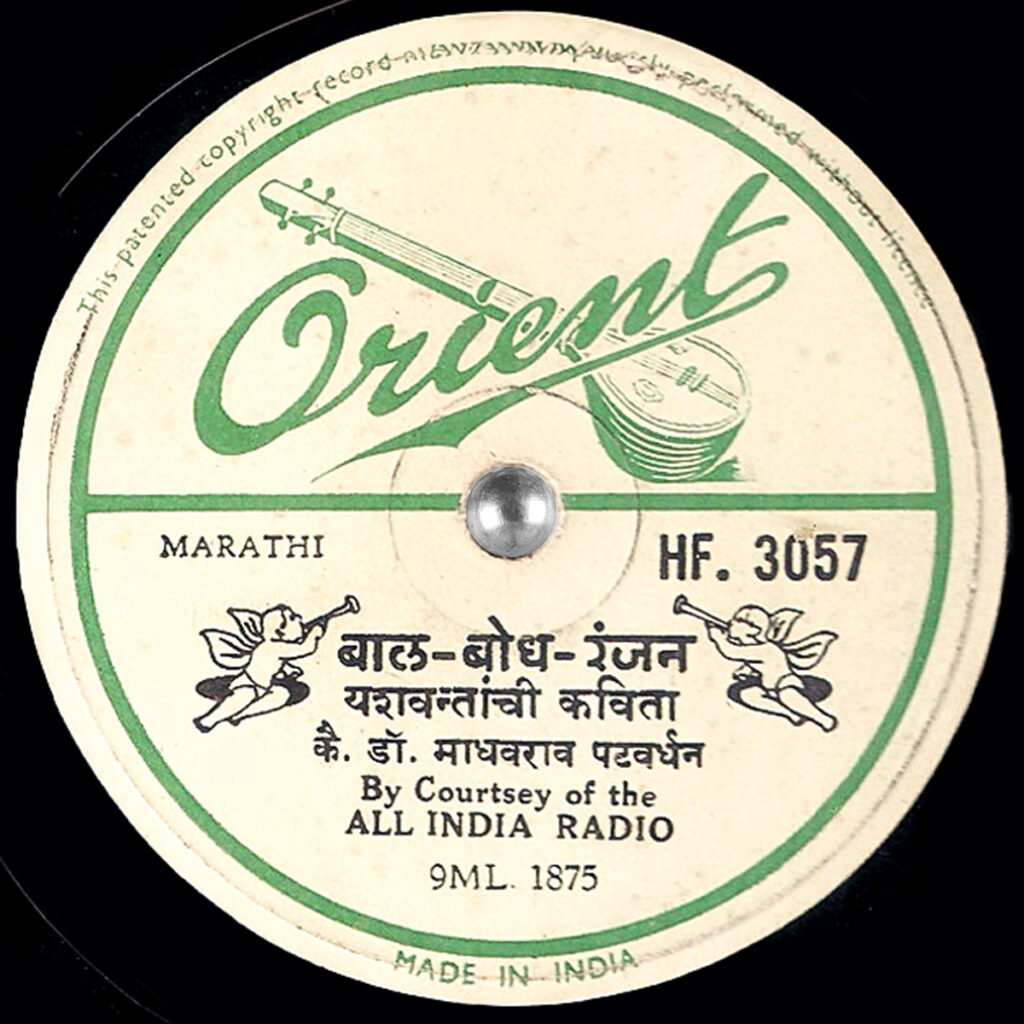 |
1938 - 1944 Indian label produced by The Gramophone Co. Ltd. which released fine-groove 9-inch discs that played as long as conventional 10-inch records. It was distributed by The Twin Record Co., Ltd. in Bombay and released many Gujarati and Marathi records between 1938 and 1944. |
|||
|
||||
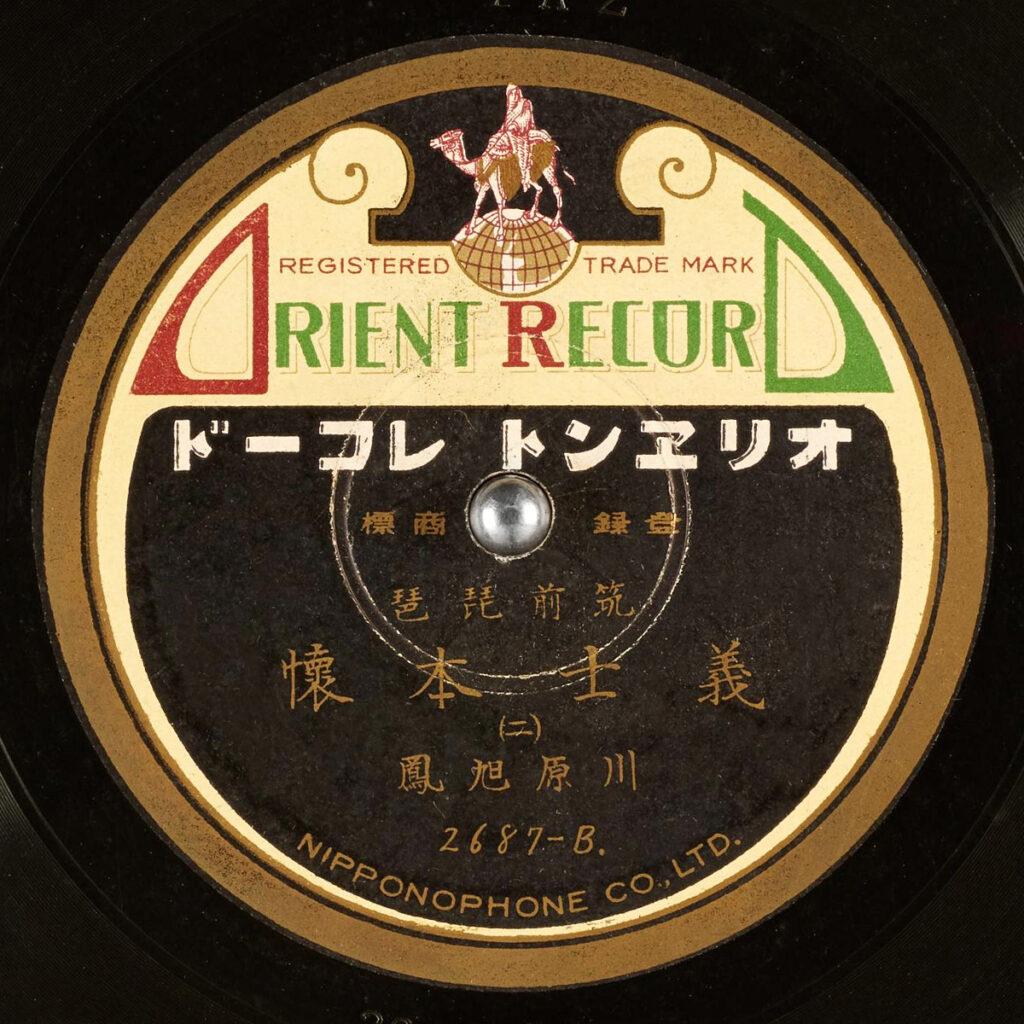 |
1907 - 1933 Orient Record, known in Japanese as ?????????, was a Japanese record label established in 1907 by Toyo Chikuonki. The label operated until 1932. Throughout its history, the parent company underwent several transitions: 1907: Founded as Toyo Chikuonki Shokai by Kozo Fukunaga. 1912: Reorganized into Toyo Chikuonki Kabushikigaisha. 1916: Due to financial difficulties, the main factory was leased to another company, effectively ceasing record production. 1919: Merged with Nipponophone Co. Ltd., where Orient Record became a budget label. The Orient Records trademark was discontinued at the end of 1932, and Regal emerged as a budget label from January 1933. |
|||
|
||||
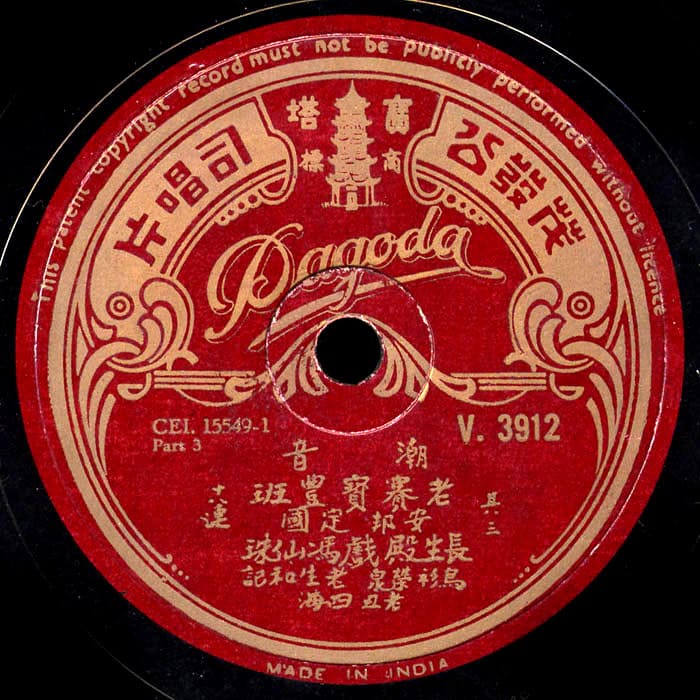 |
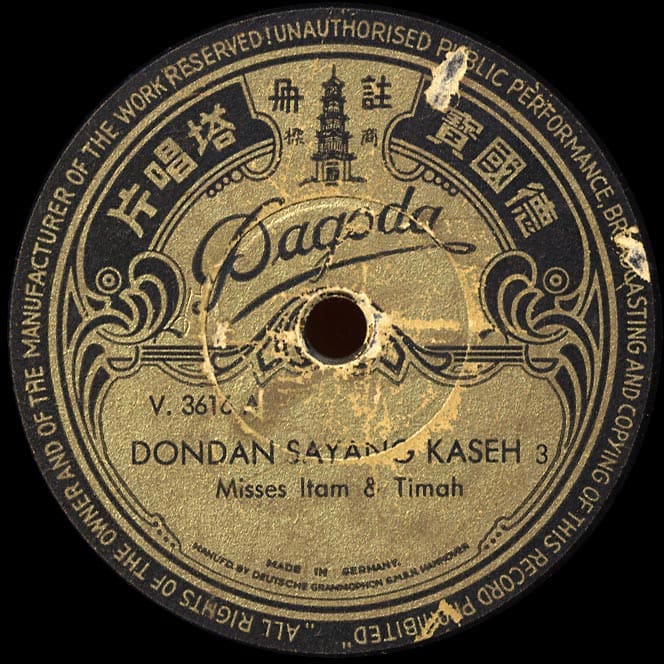
1930s Pagoda was a great label that was most likely a subsidiary Deutsche-Grammophon along with Polyphon and Hindenburg. Pagoda seems to consist mostly of Teochew Opera from southern China. |
 |
||
|
||||
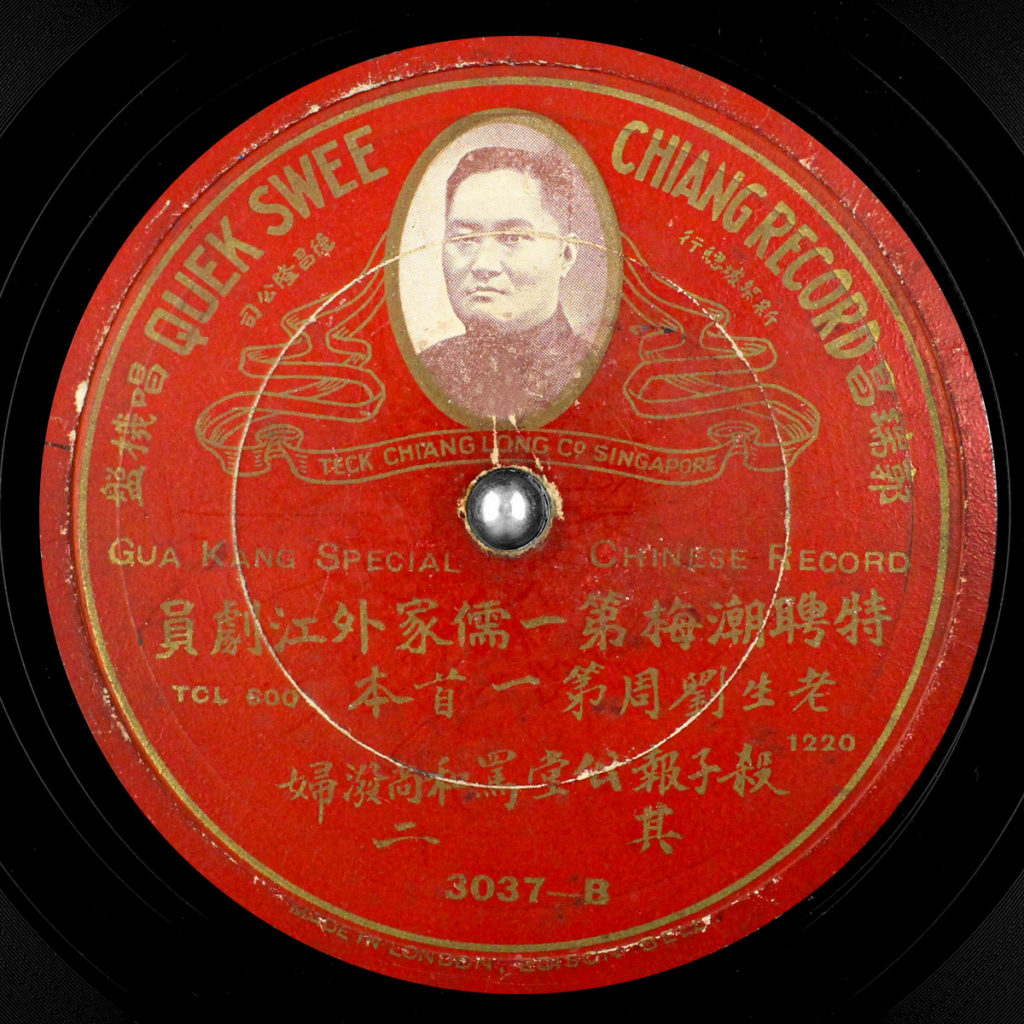 |
Quek Swee Chiang was one of the first local
record labels in Singapore. Records under this label were made for Teck
Chiang Long Co., which was located in Circular Road and dealt in piece
goods, iron safes, and gramophones machines and records. Teck Chiang Long Co. was dissolved in October 1928. |
|||
|
||||
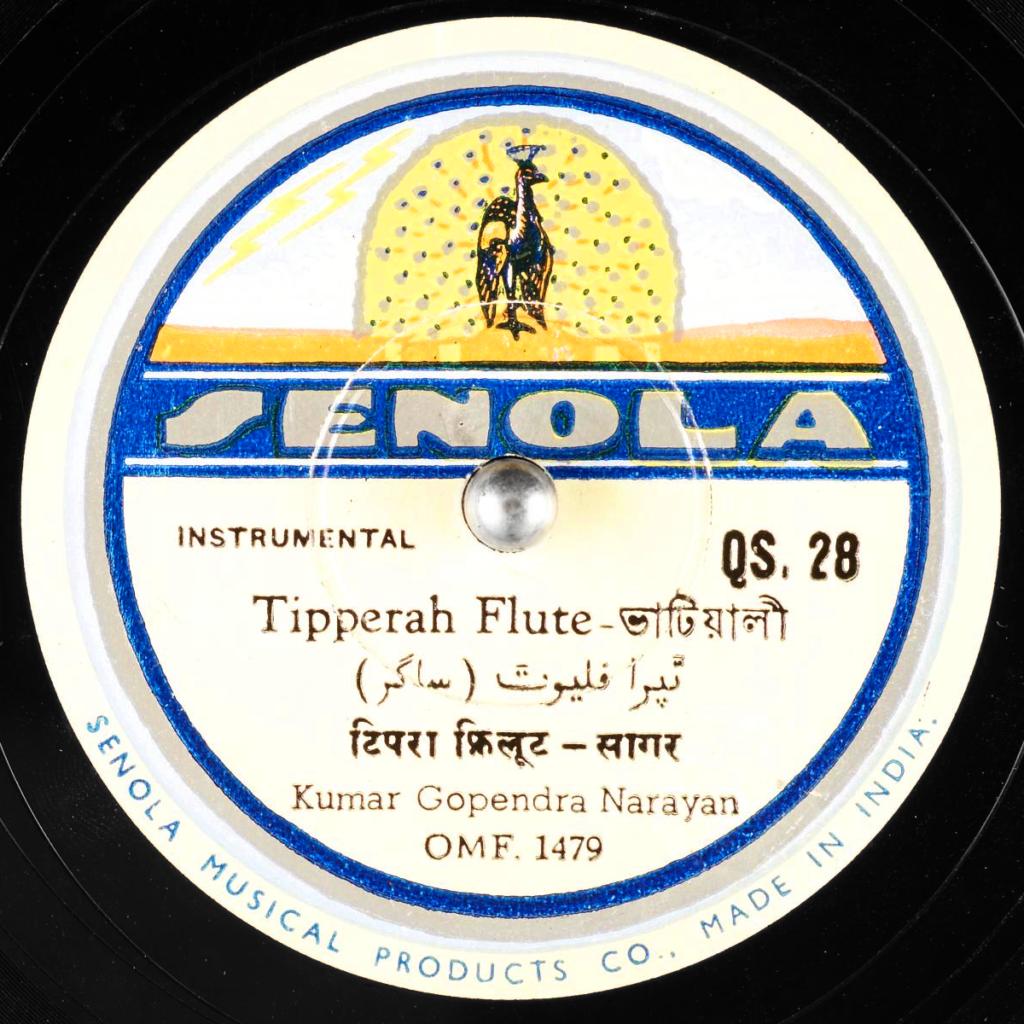 |
1935 - 1960s SENOLA, established in 1935, was an Indian record label by Senola Musical Products Co. in Calcutta. Its production spanned until the 1960s. |
|||
| |
||||
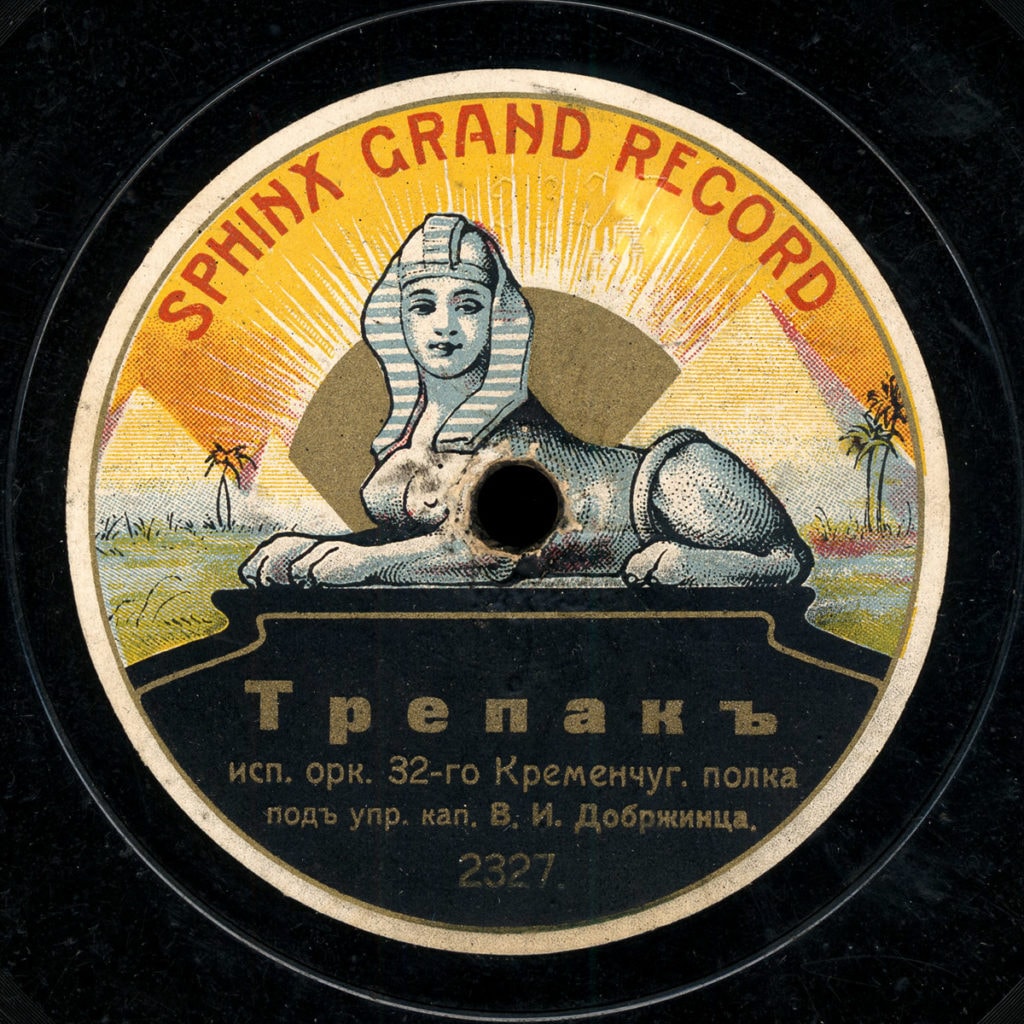 |
SPHINX GRAND RECORD was a small company founded
in 1914 in Warsaw. The repertoire of Russian records was very limited. It ceased to exist in the beginning of 1915. |
|||
|
||||
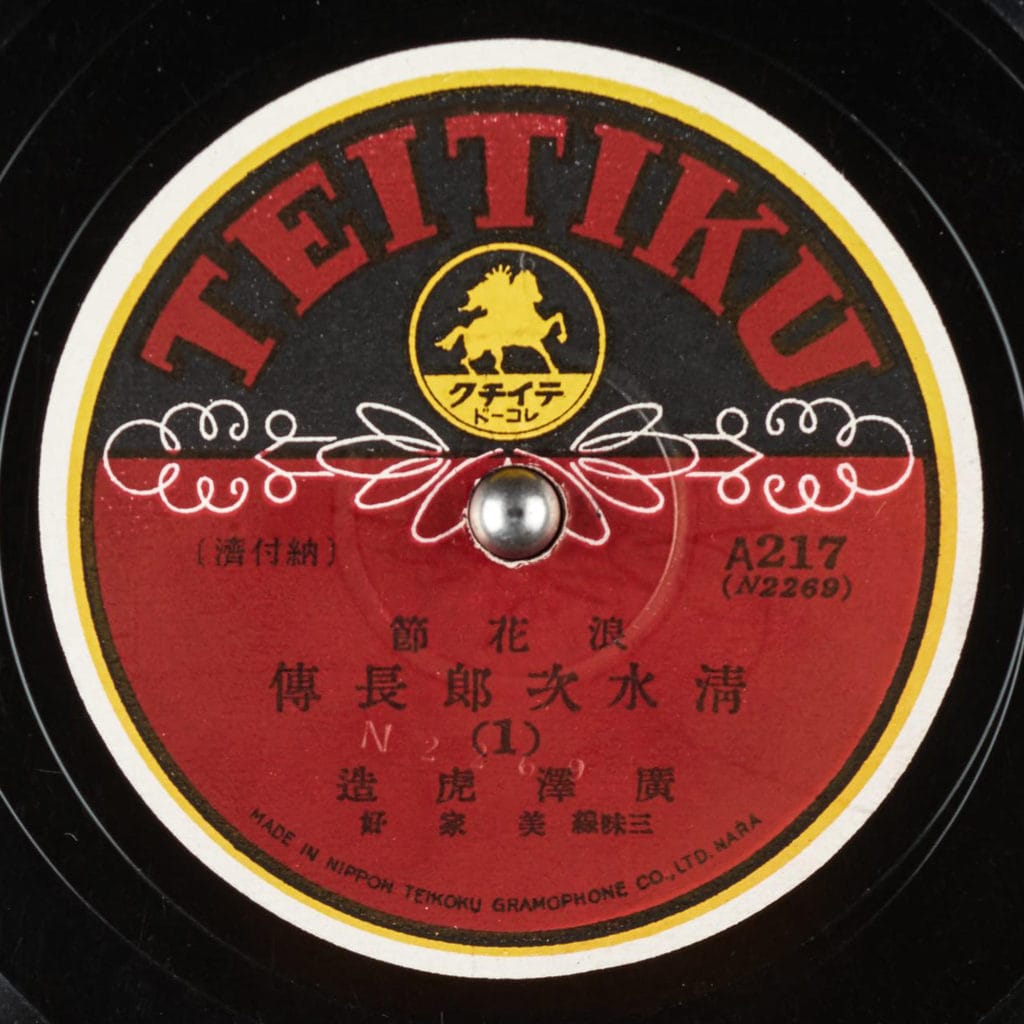 |
1935 - ? Teiticu Records were produced by the The Teikoku Gramophone Co. situated in Nara, Japan. The label was founded in 1935. |
|||
|
||||
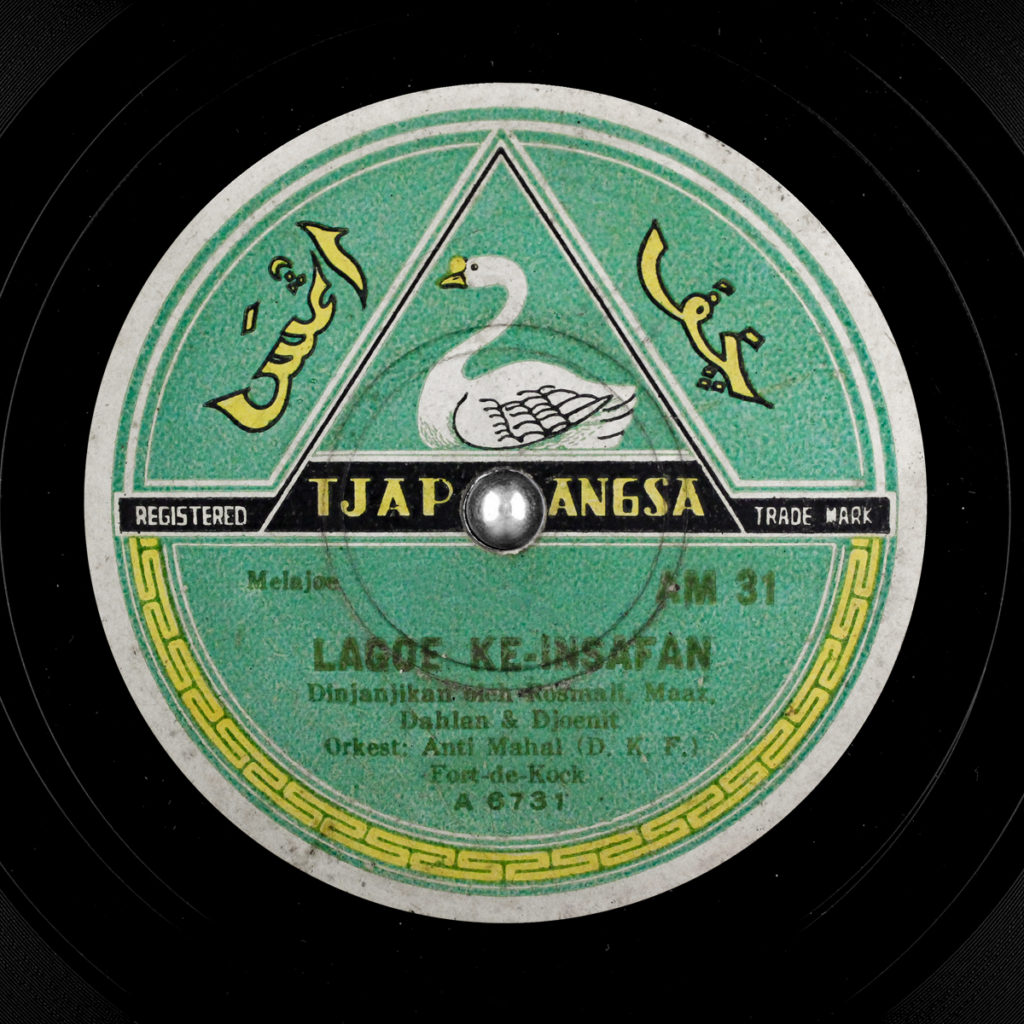 |
1938 - 1940s Tjap Angsa (“Swan Brand”) began in 1938 and issued several hundred discs, repressing some of them into the late 1940s. The label recorded most or all of their material in the city of Medan on the northern Sumatran coast, where they were partially based (their other headquarters was Bukittinggi). |
|||
|
||||
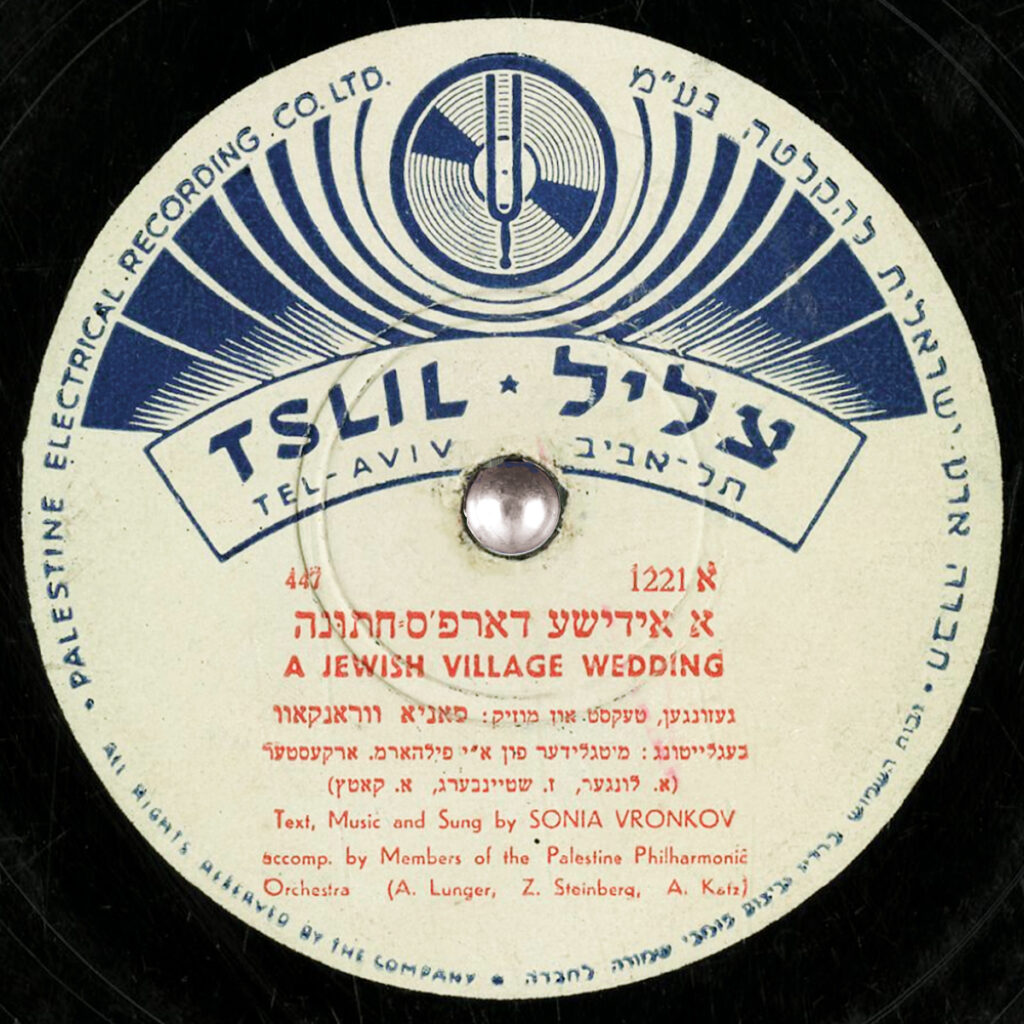 |
1947 - 1970s "Tslil" (????) - one of the three oldest Israeli recording labels. The name means "sound, musical note, melody". The company was founded in 1947 as "Palestinian Electrical Recording Co. Ltd.", and since Israel's independence (next year) it was renamed to "Israeli Electrical Recording Co. Ltd." (But its name in Hebrew never contained the word "Palestine", instead it was "Eretz Israel", i.e. Land of Israel). Equipment of the company was used during the recording of the Israel Declaration of Independence (May 14, 1948; direct cutting on Tslil blanks). The company operated at least until mid-1970s. |
|||
|
||||
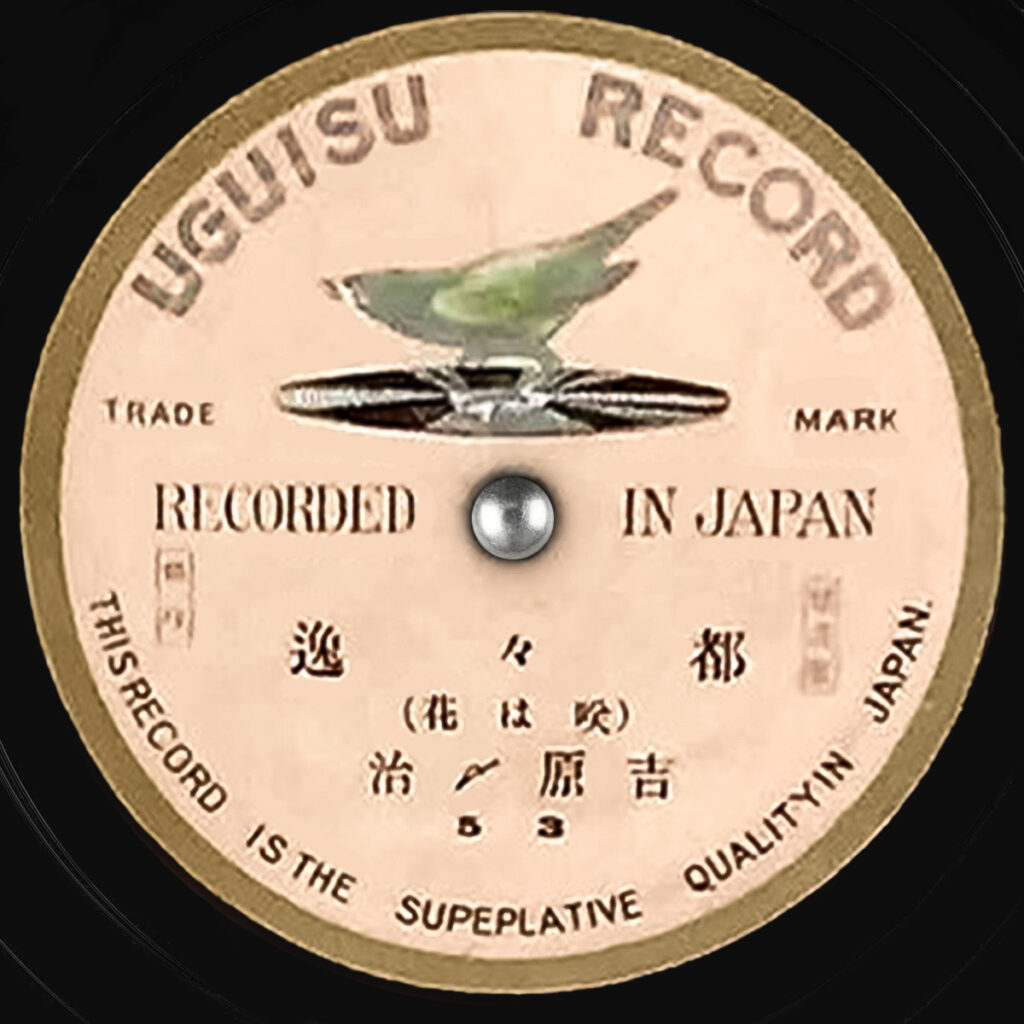 |
1914 - 1920s "UGUISU Record" was a Japanese record label established in December 1914 by Kyoto Kogyo Shokai (??????). During a period when Japanese copyright law did not apply to records, the label was known for reproducing existing records without authorization. The label's operations ceased in the early 1920s. The exact address of "UGUISU Record" is not readily available in the public domain. However, it is known that the founding company, ??????, was based in Kyoto, Japan. |
|||
|
||||
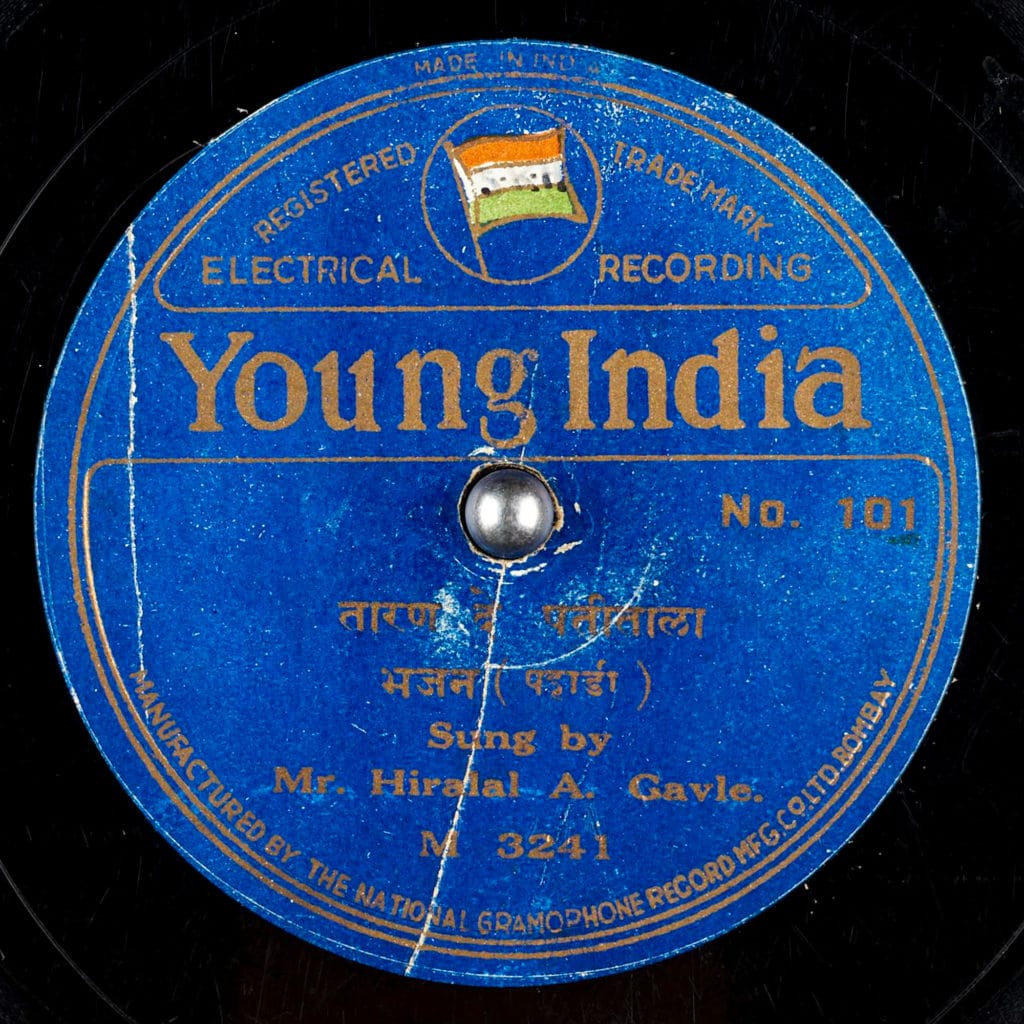 |
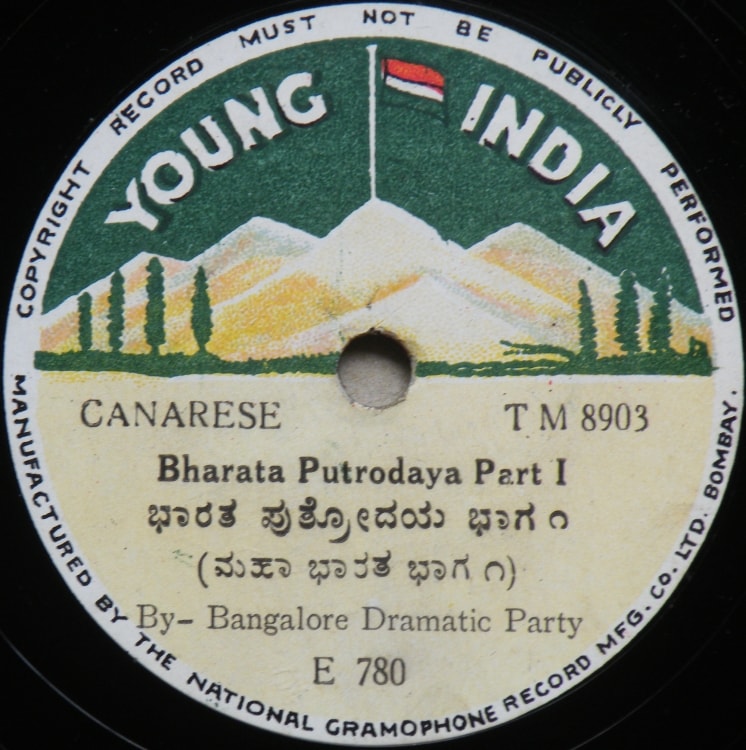
1935 - 1955 Young India record company operated in Bombay from about 1935-55 and produced records with variety of colorful labels. Early Parbhat Film Company film songs records were made on this label and contained a small thumbnail photograph of the singer at top left rim of the label. V Shanataram was one of the promoters and when he formed Rajkamal Kala Mandir, some of his early film songs were too released on Young India label. Pandit Jawaharlal Nehru and Netaji Subhash Chandra Bose recorded messages for Indian on this label and their photographs have been published on the record labels. Apart from these HMV also produced records with photographs of Mahatma Gandhi, Rabindra Nath Tagore and Bhagat Kanwar Ram. |
 |
||
|
||||
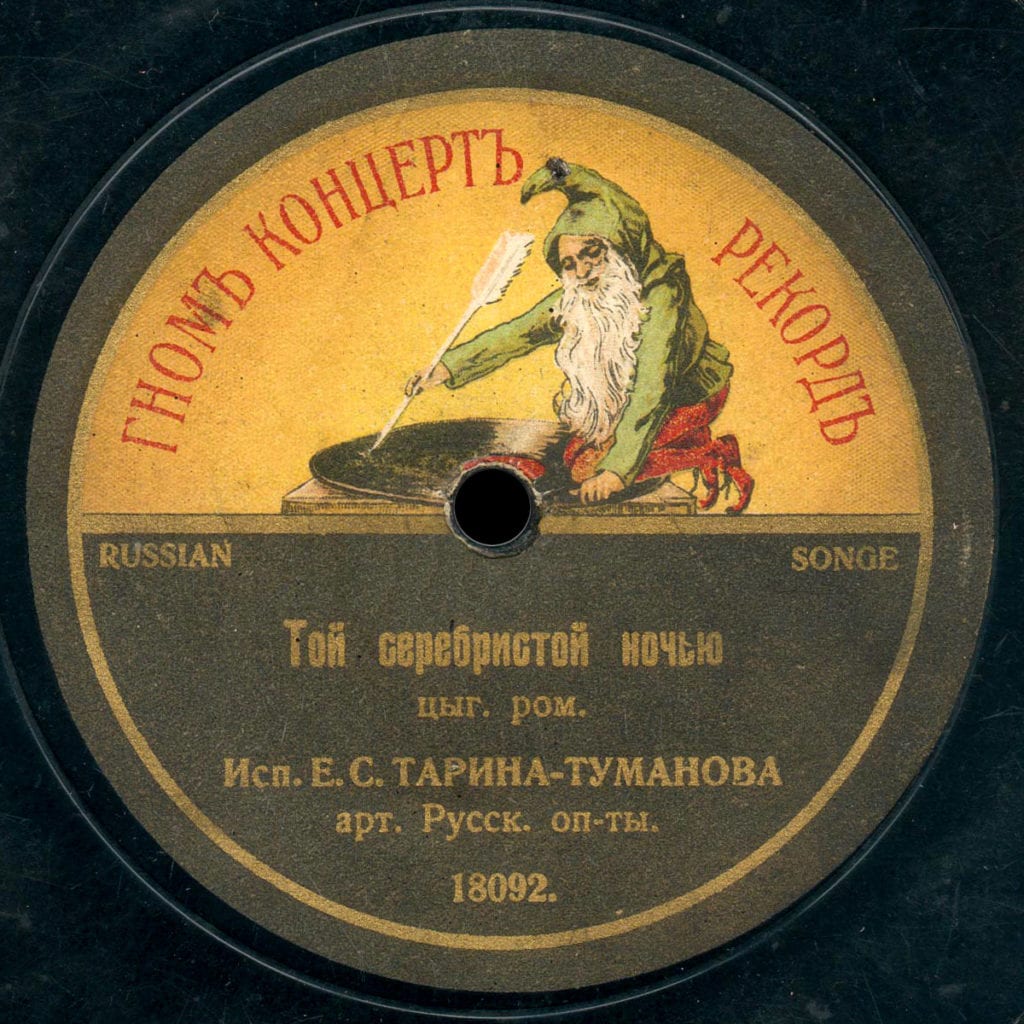 |
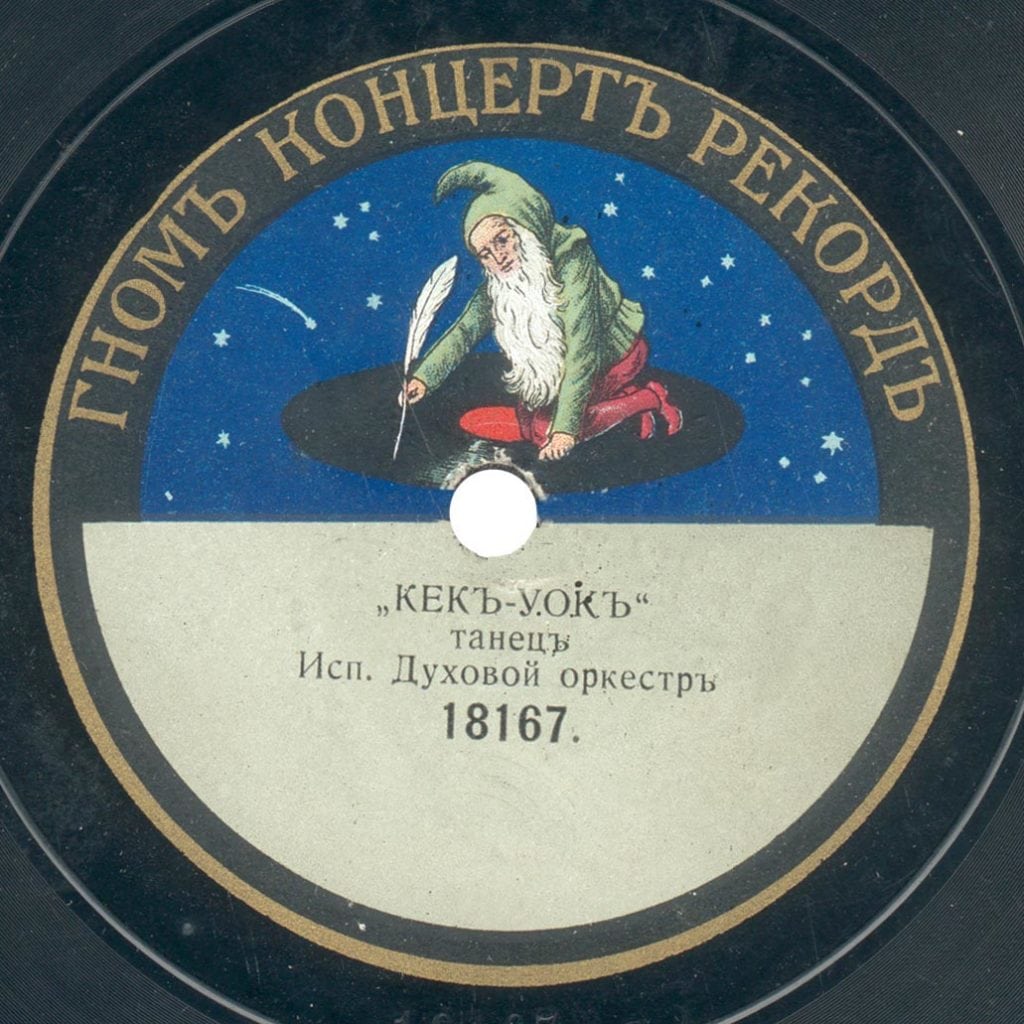
1911 - 1912 A small gramophone company which appeared in St.-Petersburg in 1911. The board and pressing plant located on 2 Karavannaya Street. The owner of the company was I.F.Zdanovich, the co-owner and sound expert A.L.Levin. The first records with «Gnom Concert Record» label appeared on sale by the end of 1911. The records quality was poor; the repertoir was limited to performances of minor actors. By the end of 1912 Gnom Record records disappeared from shops and never appeared again. |
 |
||
|
||||